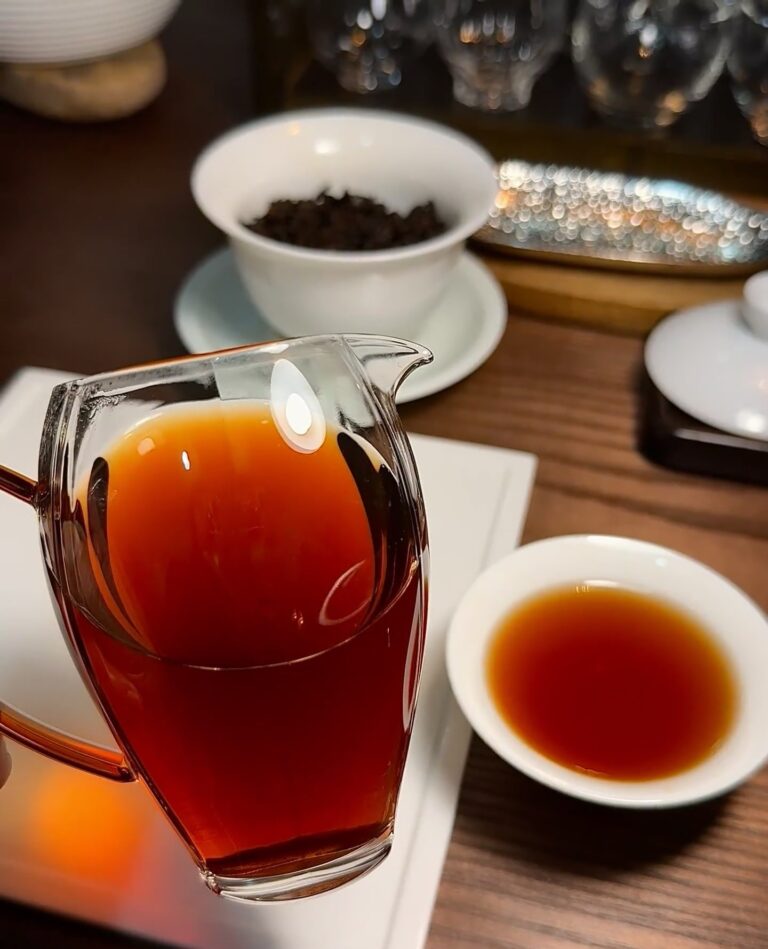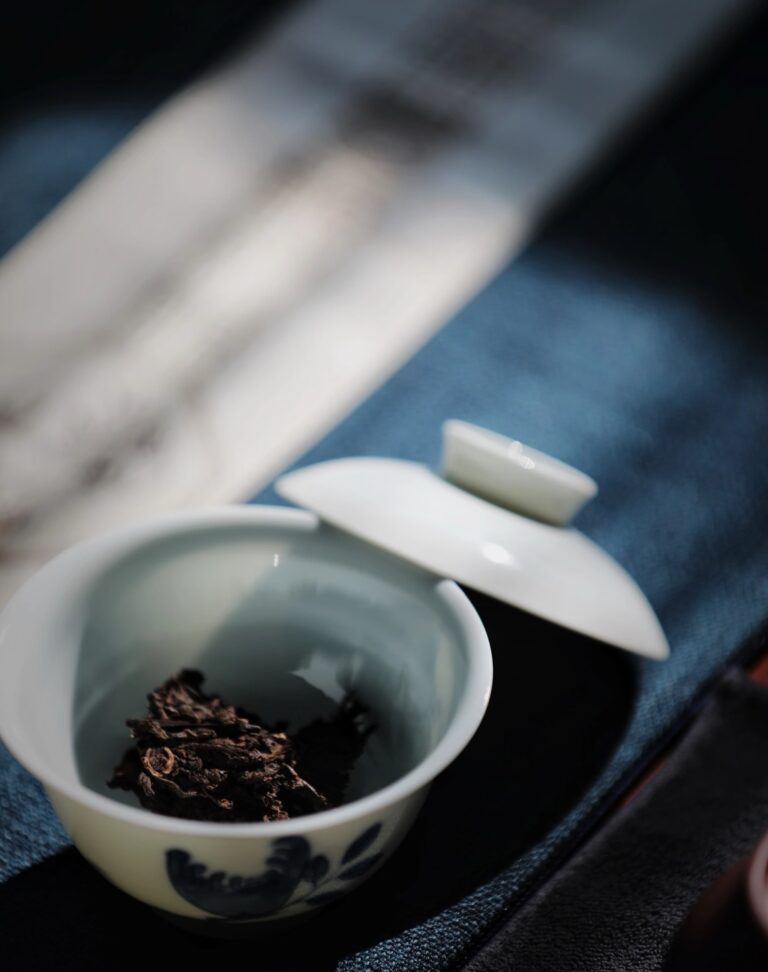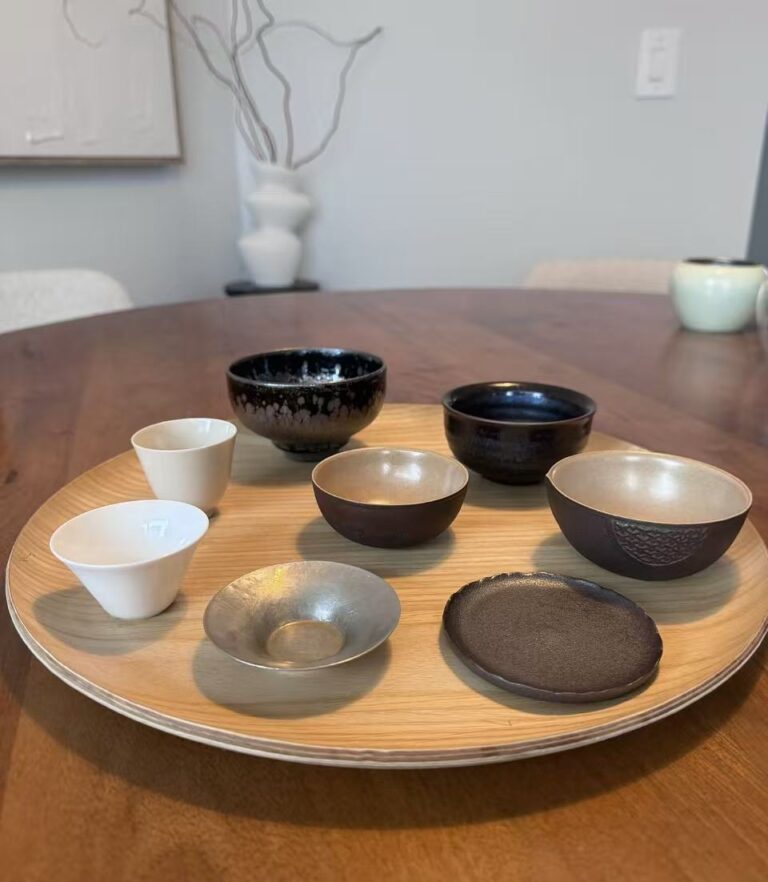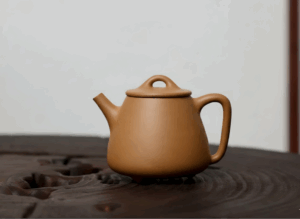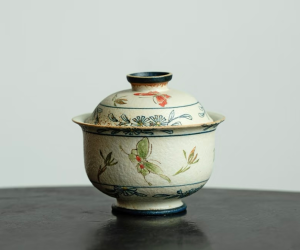

For most beginners, the best gaiwan is usually a porcelain gaiwan around 120-150ml. It is easier to hold, easier to control, works with many tea styles, and helps you learn gongfu brewing without adding extra complexity.
If you are searching for the best gaiwan for beginners, you probably do not need the rarest clay, the thinnest vessel, or the most ornate design. What you need is a gaiwan that feels comfortable in the hand, pours cleanly, and makes it easy to practice again and again. Based on our own regular use of 90ml, 120ml, 150ml, and 220ml gaiwans, the 120-150ml range has been the easiest one to recommend to first-time users.
This guide explains what size works best, why porcelain is usually the easiest place to start, what shapes are more beginner-friendly, and what mistakes to avoid when buying your first gaiwan.
What Is the Best Gaiwan for Beginners?
If you want the short answer, start with this:
- Material: porcelain
- Size: around 120-150ml
- Shape: easy to hold with a balanced lid and comfortable rim
- Use case: solo brewing or tea for one to two people
That combination is beginner-friendly because it is versatile, forgiving, and easy to understand. It gives you enough room to handle the gaiwan comfortably, but it still feels natural for gongfu-style brewing.
If you want to compare current examples, the main beginner-friendly gaiwan collection is the best starting point because it shows the range of shapes and sizes without forcing you into collector-level details.
Who This Guide Is For
This guide is most useful if:
- You are buying your first gaiwan
- You mostly brew tea for yourself or one other person
- You want one gaiwan that works across different tea styles
- You care more about ease of use than collector appeal
This guide is less useful if:
- You already know you prefer very small gongfu vessels
- You are shopping mainly for collecting rather than brewing
- You need a larger gaiwan mostly for group sessions
Why Porcelain Is Usually the Best First Gaiwan
Porcelain is usually the easiest material for beginners because it keeps the learning curve simple.
Here is why:
- It does not absorb flavor, so you can use it for different teas.
- It is easier to clean than more specialized teaware.
- It lets you focus on brewing technique instead of vessel behavior.
- It works well for many loose-leaf teas, including dan cong, Wuyi rock tea, and younger pu erh.
In our own use, porcelain has been the least stressful starting point because it makes it easier to observe the leaves, notice changes from steep to steep, and adjust brewing more clearly. It is also easier to clean after repeated daily sessions. For beginners, that practical clarity matters more than chasing a more specialized first vessel.
What Size Gaiwan Is Best for Beginners?
For most people, 120-150ml is the sweet spot.
That range works well because it is large enough to handle comfortably but still small enough for short, repeated infusions. It also fits the way many beginners actually drink tea: alone, or with one other person.
A Simple Beginner Size Guide
| Gaiwan size | Best for | Beginner-friendly? | Why |
|---|---|---|---|
| 90ml or smaller | Very short solo gongfu sessions | Usually no | Can feel too small and easy to mishandle at first |
| 120-150ml | Solo brewing or 1-2 people | Yes | Best balance of control, comfort, and versatility |
| 160-200ml | Larger pours or more casual brewing | Sometimes | Can work, but may feel less intuitive for learning gongfu rhythm |
| 220ml and above | Group brewing or non-gongfu style use | Usually no | Better for larger group sessions than solo beginner practice |
Choose Size by Real Use, Not Theory
Ask yourself:
- Do I mostly brew for myself?
- Do I usually drink tea alone or with one other person?
- Do I want short gongfu infusions or a more casual style?
- Do I want something easy to control while learning?
If you answer “mostly solo, mostly learning, mostly casual practice,” then a 120-150ml gaiwan is the safest answer.
From our own use, 90ml gaiwans can be enjoyable, but they are not where we usually point beginners first. Without some brewing rhythm already in place, they are easier to handle too close to the heat and easier to fumble while pouring. On the other end, a 220ml gaiwan is much more comfortable when brewing for larger gatherings, but it feels oversized for most solo sessions.
What Makes a Gaiwan Beginner-Friendly?
The best gaiwan for beginners is not always the prettiest one. A beginner-friendly gaiwan should remove friction, not add it.
Look for these qualities:
- A bowl shape that feels stable in the hand
- A lid knob that is easy to grip
- A rim that does not force your fingers too close to hot water
- A clean pour path that gives you confidence
- A size that does not make the gaiwan feel cramped or oversized
If a gaiwan feels easy to use, you are more likely to use it often. That matters more than niche aesthetic details when you are still learning.
The Best Beginner Gaiwan Setup for Different Needs
Best for Solo Brewing
If you mostly brew tea for yourself, a 120-150ml porcelain gaiwan is usually the most comfortable place to start. It gives you enough space to work with the lid while keeping the brewing format close to classic gongfu sessions.
Best for Daily Use
If convenience matters most, choose a gaiwan that feels easy to clean, sturdy enough for repeat use, and visually simple enough that you do not baby it.
Best for Learning Gongfu Tea

If your goal is to learn gongfu brewing clearly, a neutral and versatile gaiwan helps more than a highly specialized vessel. You want something that lets you focus on water, leaf, and timing. This is especially useful if you mainly brew dan cong, Wuyi rock tea, or pu erh that is still relatively young, because the gaiwan lets you see how the leaves open and adjust quickly from one infusion to the next.
If you want a more detailed walkthrough of what to look for, this practical guide on how to choose a gaiwan is a useful companion page because it goes deeper into selection logic.
Common Mistakes Beginners Make When Buying a Gaiwan
Choosing Something Too Small
Very small gaiwans may look elegant, but they can feel difficult when you are still learning hand position, lid control, and pour timing. In our own use, 90ml can work well once you already have some brewing rhythm, but it is not usually the easiest first step.
Buying Only for Appearance
A beautiful gaiwan can still be frustrating to use. Your first gaiwan should be comfortable first and decorative second.
Overthinking Materials Too Early
Many beginners spend too much time worrying about niche materials instead of choosing something easy and versatile. For a first gaiwan, simplicity is usually a better teacher.
Ignoring How You Actually Drink Tea
If you mainly brew alone, your first gaiwan should reflect that. Buying a vessel that does not match your real habits often leads to less use, not more enjoyment.
Buying a Large Gaiwan for Solo Use
Large gaiwans can make sense for group sessions, but they are often not ideal for a beginner drinking alone. In our own use, 220ml is far more comfortable when serving six or more people than when doing ordinary solo practice.
Gaiwan vs Teapot for Beginners
For many beginners, a gaiwan is actually easier to learn from than a teapot because it gives you direct control over the leaves and steeping time. You can see what is happening, adjust more easily, and use the same vessel across many tea styles.
A teapot may feel more familiar for some people, but a gaiwan often teaches tea more clearly. If you want the practical basics first, this step-by-step guide on how to use a gaiwan is the best next read after this article.
How to Choose Your First Gaiwan Without Overcomplicating It
If you only remember one checklist, make it this one:
- Choose porcelain if you want an easy, versatile first gaiwan.
- Choose around 120-150ml if you mostly brew for yourself or one other person.
- Choose a shape that looks easy to hold and pour, not just easy to photograph.
- Choose something you will actually use often.
That is enough to make a solid first choice.
Compare a Few Beginner-Friendly Gaiwans Before You Decide
If you want to keep researching before buying, start by browsing beginner-friendly gaiwans by size and shape and compare a few practical options with this guide in mind. A simple gaiwan you enjoy using will teach you more than a complicated one you are afraid to handle.
FAQ
For most beginners, porcelain is the best gaiwan material to start with. It is neutral, easy to clean, and flexible across tea styles, which makes it the easiest place to start.
A gaiwan around 120-150ml is usually the safest beginner range because it balances comfort, control, and versatility.
Usually not as a first choice. A 90ml gaiwan can be enjoyable, but it tends to feel less forgiving if you are still learning hand position and pour control.
For many solo sessions, yes. Larger gaiwans make more sense for group brewing than for most first-time solo practice.
For many people, yes. A gaiwan often makes it easier to see the leaves, control steeping time, and learn basic gongfu brewing technique.
No. A first gaiwan should be practical, comfortable, and easy to use. Expensive or collector-oriented pieces are not necessary for learning well.