
The best ripe pu erh for beginners should pass two simple checks before anything else: the dry tea should smell clean, and the brewed tea liquor should look red, bright, and clear. Good beginner ripe pu erh often has a woody, soft, glutinous-rice-like, or date-like aroma. It should not smell sour, moldy, harsh, or piercing.
For a new drinker, the two most practical starting formats are usually a regular ripe pu erh tea cake or loose ripe pu erh, including lao cha tou when available. A tea cake helps you understand the full ripe pu erh experience, from loosening compressed tea to brewing the liquor. Loose ripe tea or lao cha tou is the most convenient path because it is easier to brew, easier to carry, and easier to use when you are still looking for the feel of ripe pu erh.
This guide helps you choose a first ripe pu erh by aroma, tea liquor, format, and brewing difficulty. It also explains why tuocha and brick tea are usually not the first formats I would give to a complete beginner: they can be harder to loosen correctly, and poor loosening can lead to a less ideal brew.
Quick Answer: What Is the best ripe Pu Erh for Beginners?
For most beginners, the best ripe pu erh is not the rarest aged cake. It is a tea that smells clean in the dry leaf, brews into a red-bright and transparent liquor, and lets you understand the style without fighting the tea.
Use this quick decision frame:
| If you are… | Start with… | Why it works |
|---|---|---|
| Completely new to ripe Pu Erh | Loose ripe pu erh or lao cha tou | Easy to brew, easy to carry, and the fastest way to find the taste of ripe pu erh. |
| Want to understand the full ripe tea process | A regular ripe Pu Erh tea cake | You learn how compressed ripe tea moves from cake to brewed tea liquor. |
| Judging basic quality | Check aroma and tea liquor first | Good dry tea should not smell sour, moldy, harsh, or piercing; the liquor should not be cloudy and dull. |
| Looking for a softer, rounder cup | A clean, mellow ripe cake or loose ripe tea | Both can show woody, glutinous-rice-like, or date-like aroma without too much brewing complexity. |
| Already have some prying experience | Tuocha or brick tea | These can be good teas, but they often need better loosening technique to brew well. |
If you only want one starting point, browse the ripe pu erh tea collection and look for teas that sound clean, mellow, woody, gently sweet, or date-like. Those signs matter more than age or price when you are still learning your taste.
Who This Guide Is For
This guide is written for people who are close to buying ripe pu erh but still need a little confidence before choosing. It is especially useful if:
- You are new to Pu Erh and do not know whether to buy raw or ripe.
- You want a dark, smooth tea but do not want something musty or muddy.
- You are comparing a regular tea cake, loose ripe tea, lao cha tou, a sampler, or compressed formats like tuocha and brick tea.
- You want a beginner-safe tea for gongfu brewing, mug brewing, or daily drinking.
- You want product direction without being pushed into the most expensive option first.
If you are still unsure whether ripe pu erh is the right style, read this raw vs ripe pu erh comparison before choosing a product. If you already know you want shou pu erh, stay here and compare by use case.
What Makes a Ripe Pu Erh Beginner-Friendly?
A beginner-friendly ripe pu erh should make the first few sessions easier, not more confusing. The most basic quality check has two parts: smell the dry tea, then look at the tea liquor.
1. Dry Tea Aroma
The dry tea should smell clean and comfortable. In a good beginner ripe pu erh, common positive aromas include woody aroma, soft glutinous-rice-like aroma, or date-like sweetness. These aromas do not need to be loud, but they should feel clean and natural.
Be careful if the dry tea smells sour, moldy, sharply unpleasant, or piercing. Ripe pu erh can smell earthy or aged, but obvious off-notes are not something a beginner should try to explain away.
2. Tea Liquor
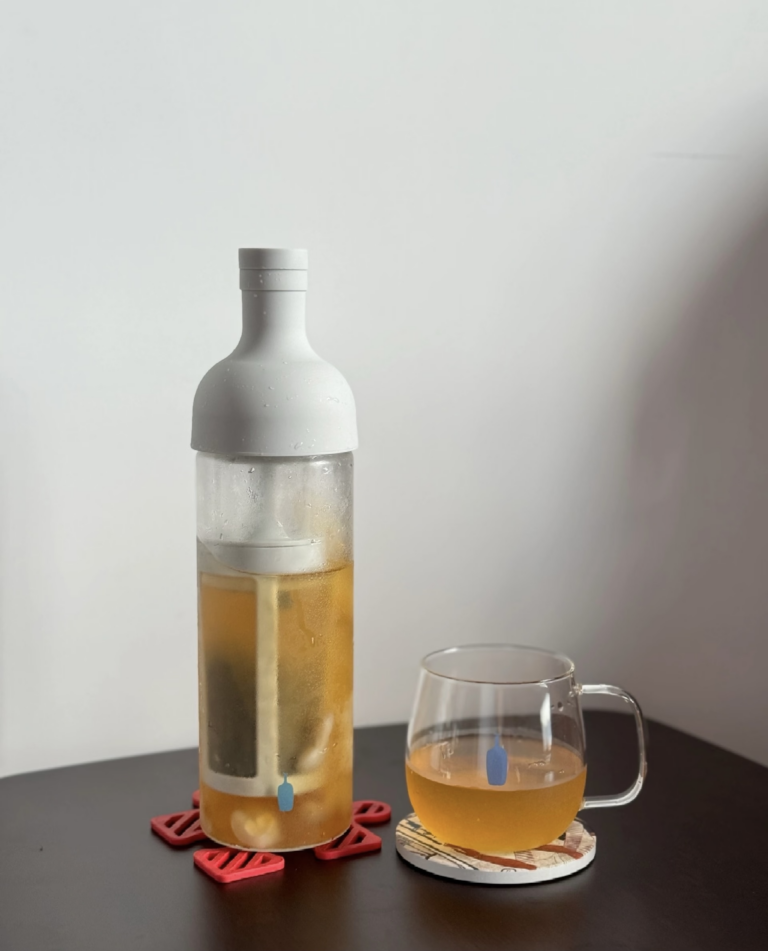
After brewing, the tea liquor should be red, bright, and transparent. It can be deep in color, but it should not look cloudy, dull, or muddy. A red-bright liquor is one of the easiest visual signs that the tea is presenting itself cleanly in the cup.
Use these beginner-friendly qualities as your checklist:
- Clean dry aroma: a woody, glutinous-rice-like, or date-like aroma is a good sign.
- No obvious off-notes: avoid sour, moldy, harsh, or piercing smells.
- Red-bright liquor: the brewed tea should look clear and transparent, not cloudy and dull.
- Smooth body: the tea should feel rounded rather than sharp or rough.
- Beginner-friendly format: tea cake, loose ripe tea, or lao cha tou is usually easier to understand than tuocha or brick tea for a complete beginner.
Age can matter, but it should not be the only thing you look at. A clean, younger, ripe tea can be much better for beginners than an older tea with confusing storage or a very heavy profile.
Best Beginner Ripe Pu Erh by Buying Situation
There is no single best ripe pu erh for every beginner. But from practical experience, two formats are especially suitable for new drinkers: regular ripe pu erh tea cakes and loose ripe pu erh, including lao cha tou.
Best for Learning the Full Ripe Pu Erh Experience: A Regular Tea Cake
A regular ripe pu erh tea cake is the best format if you want to understand the full process. You see the compressed cake, loosen the tea, warm the leaves, brew the liquor, and watch how the tea changes from infusion to infusion. That process teaches you more than simply drinking one cup.
Choose this path if you want to learn what ripe pu erh is from cake to cup. It is not the fastest route, but it gives the most complete beginner education.
The 2020 Fu Jin Premium Ripe Cake is the clearest beginner-cake path because it is positioned as an entry-level ripe Pu Erh with smooth, mellow taste, rich layers, and a sweet aftertaste. It is a good fit if you want one cake to learn with across many sessions.
Best Convenient First Step: Loose Ripe Pu Erh or Lao Cha Tou
If the goal is convenience, loose ripe pu erh or lao cha tou is often the best way to become familiar with the feeling of ripe pu erh. You do not need to pry a cake carefully. You can measure the tea more easily, brew it with less preparation, and carry it more conveniently.
This path is especially good if you are still trying to find the general taste, aroma, and body of ripe pu erh. It removes some of the handling difficulty so you can focus on the tea itself.
Choose this path if you want the simplest route into the category. FONG’S TEA has ripe pu erh loose tea or lao cha tou(Old tea heads) available, which are worth comparing with the main ripe pu erh tea collection.
Best Raw vs Ripe Comparison: A Pu Erh Sampler
If you are not sure whether you prefer raw or ripe Pu Erh, a sampler is still useful. It is not the same as choosing a dedicated beginner ripe tea, but it helps you compare the two broad styles with less commitment.
A tasting set of raw and ripe Pu-erh teas is highly beneficial for conducting such comparisons, as it contains precisely measured portions of both raw and ripe varieties. If your primary question is whether you prefer the ripe Pu-erh style, opting for a tasting set is an excellent choice.
Choose this path if you are still asking, “Do I actually like ripe pu erh, or do I just like the idea of it?” That is a good question. Tea should answer it gently.
Formats to Try Later: Tuocha and Brick Tea
Tuocha and brick tea can be excellent, but I usually wouldn’t make them my first recommendation for a complete beginner. Compared with a regular tea cake, they can be harder to loosen well. If the tea is broken too finely, left in tight chunks, or brewed without a clear process, the result may be too cloudy, too strong, or less balanced than the tea can actually be.
For those seeking a compact and portable ripe tea—and who are willing to invest the time to learn the proper technique for prying it apart—the 100-200g Tuocha remains a practical “small-format” option. However, within a beginner’s progression, I would recommend placing it after—rather than before—standard tea cakes and loose-leaf ripe tea.

Beginner Ripe Pu Erh Comparison Table
| Beginner path | Best for | Flavor direction | Commitment level | Suggested FONG’S TEA path |
|---|---|---|---|---|
| Regular ripe tea cake | Beginners who want to understand ripe Pu Erh fully | Clean dry aroma, red-bright liquor, smooth body | Medium | 2020 Fu Jin Premium Ripe Cake |
| Loose ripe tea or lao cha tou (Old tea heads) | Beginners who want the most convenient route | Easy to brew, easy to carry, direct ripe tea experience | Low to medium | 2026 Fu Jin Yunling Ripe Pu-erh Loose Tea or 2016 Wujin Lao Cha Tou |
| Raw and ripe sampler | Drinkers still comparing raw vs ripe Pu Erh | Compare fresh raw tea with smoother ripe tea | Low | 2022 Chuxin Raw & Ripe Pu Erh Tea Sampler |
| Tuocha or brick tea | Beginners with some compressed-tea handling experience | It can be good, but it depends more on correct loosening and brewing | Medium | 2021 Fu Jin Classic Ripe Pu Erh Tea – Tuocha |
Should Beginners Start With a Tea Cake or Loose Ripe Pu Erh?
For most beginners, the better question is not only sampler or cake. It is whether you want to learn the complete ripe pu erh process, or whether you want the easiest first taste.
A regular ripe pu erh tea cake is better when:
- You want to understand how compressed ripe pu erh works.
- You want to learn the path from tea cake to brewed tea liquor.
- You plan to brew the same tea repeatedly and observe changes over time.
- You want the more complete beginner education, not just the fastest cup.
Loose ripe pu erh or lao cha tou is better when:
- You want a simple and convenient first experience.
- You do not want to learn cake-prying technique yet.
- You want something easy to carry or brew with less setup.
- You mainly want to find the taste, aroma, and body of ripe pu erh first.
Tuocha and brick tea can come later. They are not bad formats, but they are often less forgiving at the very beginning because loosening them well takes some experience.
How to Choose by Flavor: Smooth, Sweet, Earthy, or Thick?
Ripe pu erh is often described as earthy, but that word is too broad to be useful by itself. A beginner should pay attention to the kind of earthiness.
| Flavor preference | Look for | Avoid at first |
|---|---|---|
| Smooth and easy | Mellow, clean, sweet aftertaste, low bitterness | Very heavy aged or storage-driven descriptions |
| Sweet and rounded | Date, caramel, cocoa, gentle sweetness | Sharp, sour, dusty, or musty notes |
| Classic earthy profile | Wood, warm earth, dark liquor, full body | Anything that sounds muddy or overly wet-stored |
| Thick and rich | Layered texture, durable brewing, dense mouthfeel | Very strong tea if you dislike heavy flavors |
| Fresh comparison learning | Sampler with raw and ripe portions | Buying only by age before tasting the category |
A good beginner ripe pu erh should taste grounded, not dirty. It can be dark and earthy while still feeling clean, sweet, and balanced.
How Format Changes the Ripe Pu Erh Experience
Loose Ripe Pu Erh and Lao Cha Tou
Loose ripe pu erh is easy to measure and convenient for casual brewing. Lao cha tou, or old tea heads, can also be a convenient way to understand ripe pu erh because it usually does not require careful prying before brewing. These formats are practical when you want a simple first cup, an office-friendly tea, or a portable daily option.
The tradeoff is that loose tea and lao cha tou do not teach the full compressed-cake process as clearly. They are excellent for finding the taste of ripe pu erh, while a regular cake is better for understanding the full style.
Ripe Pu Erh Cake
A cake is the classic long-term format. It is best if you want to revisit the same tea many times and learn how it behaves across sessions. For beginners, a regular tea cake is often easier to learn from than a tuocha or brick because the loosening process can be more intuitive.
Tuocha
A tuocha is compact and practical, but it is not always the easiest first format. It can be harder to loosen than a regular cake. If the tea stays in tight chunks, the inside may not brew evenly. If it is broken too finely, the liquor can become cloudy, heavy, or less balanced.
Try tuocha after you understand the basic ripe pu erh process, or choose it only if you are willing to learn how to loosen it carefully.
Brick Tea
Brick tea has a similar issue. It can be valuable and enjoyable, but the compression can make it less beginner-friendly. A regular cake, loose ripe tea, or lao cha tou is usually a smoother starting point for new drinkers.
Dragon Ball or Single-Serving Tea
Dragon balls and single-serving formats are convenient because you do not need to weigh the tea. They are useful for office brewing, travel, and beginners who want less setup. The tradeoff is less control over leaf amount.
Sampler
A sampler is best when your main question is not “Which cake should I commit to?” but “What style do I actually enjoy?” That is a very good first question.
Common Mistakes When Buying Ripe Pu Erh for the First Time
Buying the Oldest Tea First
Older does not automatically mean better for beginners. Aged ripe pu erh can be wonderful, but it can also be more expensive and more difficult to evaluate if you do not yet know your taste preferences.
Assuming Earthy Means Musty
Ripe pu erh can be earthy, woody, dark, and mellow. It should not taste like bad storage. If a tea tastes sour, moldy, or unpleasantly fishy, that is not the beginner experience to chase.
Choosing a Cake Before Trying the Category
If you have never tasted ripe pu erh, a full cake may feel like a commitment. But a regular cake is still useful if you want to understand the full process. If convenience matters more, loose ripe pu erh or lao cha tou is the easier first step.
Starting With Tuocha or Brick Tea Without Prying Experience
Tuocha and brick tea are not wrong choices, but they are less forgiving if you do not know how to loosen compressed tea yet. A poor prying process can lead to tight chunks, too many broken leaves, uneven extraction, and a tea liquor that does not show the tea at its best.
Ignoring Brewing Fit
Some teas are better for gongfu brewing. Others are easier for a daily mug. If you want a no-stress routine, choose a format that fits how you actually drink tea.
Overpaying for Your First Lesson
Your first ripe pu erh should teach you. It does not need to be the most prestigious tea in the shop. Once you know you like the category, then it makes sense to explore older, rarer, or more layered cakes.
How to Brew Your First Ripe Pu Erh
Ripe pu erh is forgiving, but good brewing makes the first impression much better. Use near-boiling water, rinse compressed tea briefly if needed, and start with short infusions if you are using a gaiwan or small teapot.
If you are brewing gongfu style, use this simple baseline:
- 5-7g of tea for a 100-120ml gaiwan or small teapot
- 95-100C water
- Optional quick rinse for compressed tea
- First drinking infusion around 10-15 seconds
- Add time gradually as the flavor softens
For a more detailed method, use the full how to brew ripe pu erh guide. It includes troubleshooting for weak, muddy, flat, or overly earthy cups.

Our Beginner Recommendation
If you want the most complete learning route, start with a regular ripe pu erh tea cake. If you want the most convenient route, start with loose ripe pu erh or lao cha tou. If you are still deciding whether raw or ripe Pu Erh is your style, use a sampler for comparison.
The best choice is the one you will actually brew more than once. Ripe pu erh becomes easier to understand through repeat sessions, not one perfect purchase.
FAQ
Is ripe pu erh good for beginners?
Yes. Ripe pu erh is usually one of the easier Pu Erh styles for beginners because it tends to be smooth, dark, mellow, and forgiving to brew. It is often less sharp than young raw pu erh.
Should I buy raw or ripe pu erh first?
If you like smoother, darker, earthier tea, start with ripe pu erh. If you like brighter, more floral, sometimes more astringent tea, raw pu erh may be more interesting. If you are unsure, choose a raw and ripe sampler first.
Is a ripe pu erh cake too much for a beginner?
Not always. A regular ripe pu erh cake can be one of the best beginner formats because it teaches the full process from compressed tea to brewed tea liquor. If you want convenience instead of the full process, loose ripe pu erh or lao cha tou may be easier.
What should good ripe pu erh taste like?
Good ripe pu erh should taste smooth, clean, mellow, and full-bodied. Before tasting, the dry tea should smell woody, glutinous-rice-like, or date-like, without sour, moldy, harsh, or piercing off-notes. After brewing, the tea liquor should look red, bright, and transparent rather than cloudy and dull.
Do I need a gaiwan for ripe pu erh?
No, but a gaiwan helps you control short infusions and observe how the tea changes. You can also brew ripe pu erh in a small teapot or a mug if you prefer a simpler routine.
How much ripe pu erh should I buy first?
If you want to learn the full category, a regular ripe pu erh cake is a good first purchase. If you want the easiest first taste, start with loose ripe tea or lao cha tou. If you are still comparing raw and ripe Pu Erh, choose a sampler first.