
Brewing Chinese tea well comes down to a few controllable choices: clean water, the right temperature, enough leaf, and a steeping time that suits the tea. When those basics are in balance, the tea tastes clear instead of flat, fragrant instead of harsh, and layered instead of one-dimensional.
This guide explains how to brew Chinese tea step by step, with practical starting points for green tea, white tea, oolong tea, black tea, and Pu Erh tea. Use the numbers as a baseline, then adjust them to match your teaware, leaf style, and personal taste.
If you are completely new to this category, the broader Chinese tea for beginners guide is a useful companion. This page focuses on the brewing method itself: water, leaf, vessel, time, and taste correction.
Why Proper Brewing Matters
Chinese tea can change quickly with small brewing differences. Water that is too hot can make green or white tea taste bitter. A steep that runs too long can bury floral or roasted notes under astringency. Too little leaf can make even a good tea feel thin.
Good brewing is not about making the process complicated. It is about giving each tea the conditions it needs. Delicate teas usually need cooler water and shorter contact time, while tightly rolled oolong and aged Pu Erh often need hotter water to open fully. Once you understand those tradeoffs, it becomes much easier to correct a cup that tastes too strong, too weak, or too rough.
Quick Brewing Parameters for Chinese Tea
Use this table as a starting point. The exact result will depend on leaf size, roast level, compression, vessel size, and how strong you like your tea.
| Tea type | Water temperature | Starting steep time | Best vessel |
|---|---|---|---|
| Green tea | 70-80°C | 1-2 minutes | Glass, porcelain, or gaiwan |
| White tea | 80-85°C | 1-2 minutes | Glass, porcelain, or gaiwan |
| Oolong tea | 85-95°C | 2-3 minutes | Gaiwan or Yixing teapot |
| Black tea | 90-100°C | 3-5 minutes | Porcelain teapot or gaiwan |
| Pu Erh tea | 95-100°C | 3-5 minutes | Gaiwan or Yixing teapot |
For gongfu brewing, the first drinking infusion may be much shorter than the times above, often just seconds rather than minutes. The more leaf you use, the shorter each steep should be.
Key Factors in Brewing Chinese Tea
1. Water Quality
- Use fresh, filtered water when possible. Stale or heavily treated water can make the liquor taste dull.
- Avoid very hard water, which can mute aroma and leave the tea feeling heavy.
- A good target is neutral-tasting water with moderate to low mineral content.
If your tea tastes flat even when the leaf quality is good, change the water before changing the tea. It is one of the simplest fixes.
2. Water Temperature
Water temperature is one of the main reasons Chinese tea turns bitter or loses aroma. Start cooler for delicate teas and hotter for roasted, aged, compressed, or tightly rolled teas.
- Green tea: 70-80°C to protect fresh, grassy, and lightly sweet notes.
- White tea: 80-85°C to draw out softness without flattening the aroma.
- Oolong tea: 85-95°C for floral, roasted, or mineral complexity.
- Black tea: 90-100°C for body, sweetness, and depth.
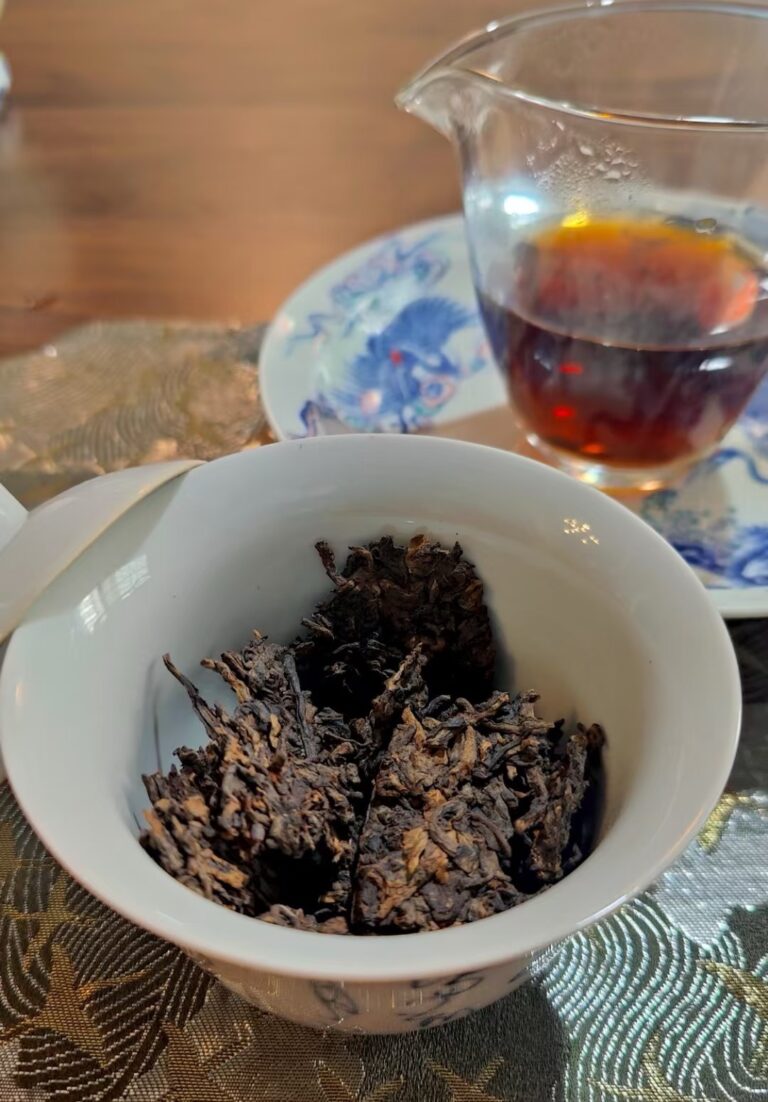
- Pu Erh tea: 95-100°C to open compressed leaves and earthy richness.
If you do not have a temperature-control kettle, boil the water and let it cool briefly for green or white tea. For oolong, black tea, and Pu Erh, water close to boiling is usually a better starting point.
3. Tea to Water Ratio
Use 6-8 grams of tea leaves for every 110-150ml of water as a starting ratio. This works especially well for gongfu-style brewing in a gaiwan or small teapot.
- Use more tea for a fuller, more aromatic cup.
- Use less tea for a softer brew or a larger teapot.
- For a mug or western-style pot, reduce the leaf amount and extend the steeping time.
The leaf shape matters too. Tightly rolled oolong expands a lot after the rinse, while loose green tea may fill the vessel quickly. Leave enough room for the leaves to open.
4. Brewing Time
Brewing time controls strength, texture, and bitterness. If the tea tastes too light, extend the next steep slightly. If it tastes bitter, drying, or rough, shorten the next steep or lower the water temperature.
Oolong and Pu Erh can often be brewed several times, with each infusion showing a different layer of flavor. Green and white teas can also be re-steeped, but they usually fade sooner and respond better to gentler heat.
Step-by-Step Guide to Brewing Chinese Tea
1. Prepare Your Teaware
Choose teaware that suits the tea and the way you want to drink it:
- Glass teapots: best for green and white tea when you want to watch the leaves open.
- Yixing clay teapots: useful for oolong and Pu Erh because they retain heat and can soften rough edges.
- Porcelain gaiwans: versatile for nearly all teas because they preserve a clear aroma and do not hold strong flavors.
Rinse the teaware with hot water before adding leaves. This warms the vessel, reduces temperature shock, and helps the first infusion extract more evenly. If you are still deciding what vessel fits your routine, FONG’S TEA also has a practical guide on how to choose teaware for brewing Chinese tea.
2. Measure Your Tea Leaves
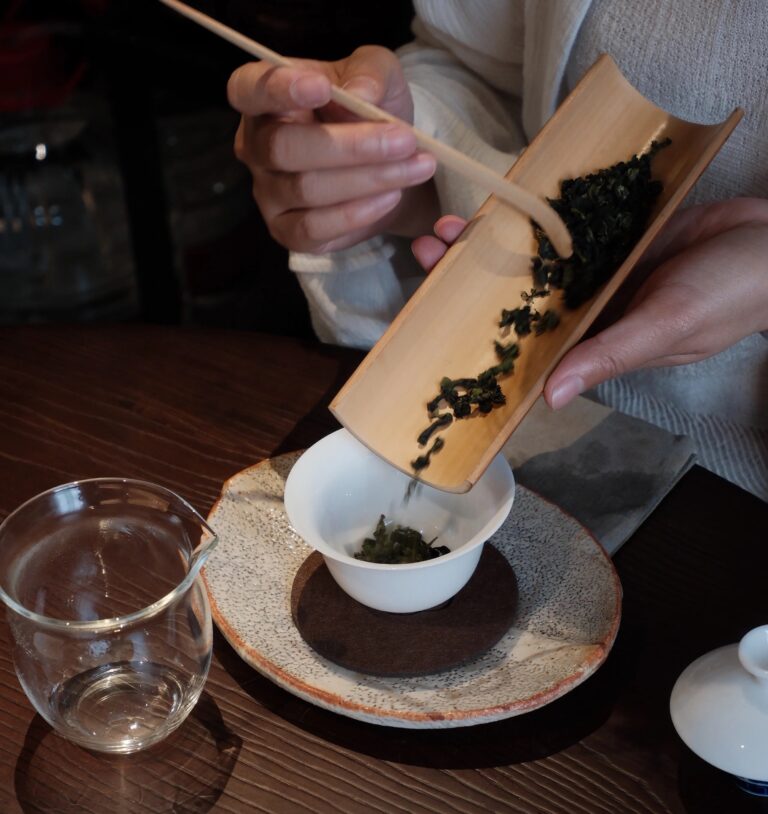
- Weigh 6-8 grams of tea leaves per 110-150ml of water for small-vessel brewing.
- Use a little less leaf for delicate green tea if you prefer a sweeter, lighter cup.
- Use the full range for oolong or Pu Erh when you want more aroma and body.
If you do not have a scale, cover the bottom of a gaiwan with a loose layer of leaves for most teas. For tightly rolled oolong, use less than it appears at first because the leaves expand dramatically.
3. Heat the Water
- Use a kettle with temperature control or let the water cool after boiling for the appropriate time.
- Match the water temperature to the tea type.
- Reheat water between infusions if it drops too far, especially for oolong and Pu Erh.
Cooler water is usually safer for tender green and white teas. Hotter water is useful for tea that is roasted, aged, compressed, or tightly rolled.
4. Rinse the Tea Leaves
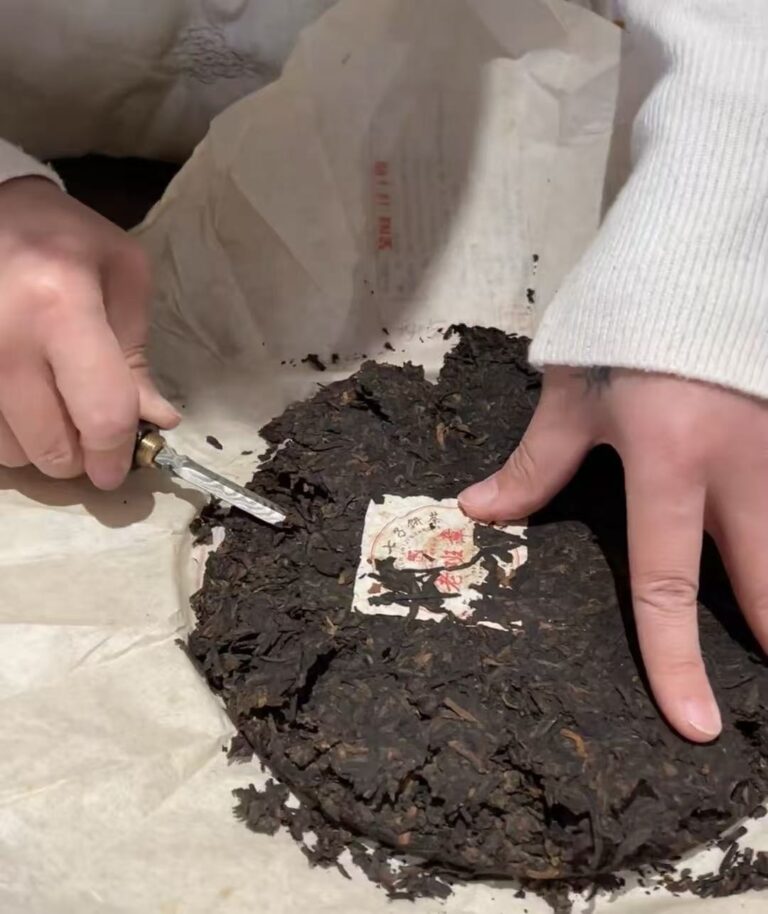
- Quickly rinse oolong, black tea, and Pu Erh with hot water for 2-5 seconds.
- Discard the rinse water immediately.
- Skip the rinse for many delicate green or white teas unless the tea is tightly packed or you specifically prefer a cleaner first cup.
The rinse is less about washing and more about waking the leaves. It warms the leaf surface and helps tightly shaped teas begin to open.
5. Brew Your Tea
- Pour hot water over the leaves with steady, even contact.
- Cover the gaiwan or teapot while the tea steeps.
- Pour the liquor out fully when the steep is finished so the leaves do not keep extracting.
Taste the first infusion before changing anything. If it is too light, increase the next steep by a small amount. If it is bitter or drying, shorten the next steep or lower the water temperature.
If you want a more detailed vessel technique, see our guide on how to use a gaiwan.
6. Serve and Adjust
- Pour the tea into small cups and notice the aroma before tasting.
- Look for color, clarity, texture, sweetness, and aftertaste.
- Keep the leaves for another infusion if the tea still has fragrance and structure.
Good Chinese tea often changes across infusions. The first cup may show aroma, the middle cups may show body, and later cups may become softer and sweeter.
Tips to Improve Your Chinese Tea Brewing
Use Multiple Short Brews
Many Chinese teas, especially oolong and Pu Erh, are made for repeated brewing. Instead of using one long steep, try several shorter infusions. This keeps bitterness under control and lets you taste how the tea changes.
As a simple rule, add a little more time to each later infusion. If the second cup tastes stronger than the first, keep the next steep short. If the flavor starts to fade, extend the steep.
Keep the Comparison Fair
Chinese tea is easier to understand when you slow down enough to taste it. You do not need a formal ceremony. A clean cup, a warm vessel, and a few minutes of attention are enough to notice aroma, texture, and finish.
If you are comparing teas, brew one at a time and keep the same water, vessel, and ratio. That makes the differences easier to judge. For broader learning, the Chinese tea guide hub can help you explore related tea styles and brewing topics.
Pair Tea with Food Carefully
Food pairing works best when the tea and snack do not compete:
- Green tea: fresh fruits or light desserts.
- Black tea: pastries or dark chocolate.
- Pu Erh tea: savory or spicy dishes.
- Oolong tea: roasted nuts, baked pastries, or mild cheese.
Floral oolong pairs better with lighter foods, while roasted oolong can stand up to richer flavors.
Common Mistakes to Avoid
Using Boiling Water for Green or White Tea
Boiling water can make green or white tea taste sharp, bitter, or cooked. Let the water cool into the recommended range before brewing. If the tea still tastes harsh, shorten the steep as well.
Over-Steeping the Tea
Leaving the leaves in water too long can overpower delicate flavors and create a dry finish. Pour the tea out fully at the end of each infusion. For small-vessel brewing, even a few extra seconds can change the cup.
Using the Wrong Teaware
Teaware does not need to be expensive, but it should pour cleanly, hold heat appropriately, and avoid adding unwanted smells. A porcelain gaiwan is a reliable starting point because it works across most Chinese tea types and keeps the tea’s aroma clear. You can compare broader options in the Chinese teaware collection.
Ignoring What the Tea Is Telling You
If a tea tastes too bitter, lower the temperature or shorten the steep. If it tastes weak, use more leaf or extend the time. If the aroma disappears quickly, check the water quality, warm the teaware, and make sure the leaves have enough room to open.

Ready to try it for yourself? Explore premium Chinese teas and Chinese teaware in FONG’S TEA Chinese tea shop, then use this guide as a baseline for your first brew.
FAQ
What is the best temperature to brew Chinese tea?
The best temperature depends on the tea type. Use cooler water for delicate teas and hotter water for darker, roasted, aged, or compressed teas.
- Green tea: 70-80°C
- White tea: 80-85°C
- Oolong tea: 85-95°C
- Black tea and Pu Erh tea: 90-100°C
Can I brew Chinese tea multiple times?
Yes. Many Chinese teas, especially oolong and Pu Erh, can be steeped multiple times. Use shorter steeps at first, then gradually increase the time as the flavor becomes lighter. Some Pu Erh teas can last for up to 10-12 brews.
What is the tea-to-water ratio for brewing Chinese tea?
A good starting point is 6-8 grams of tea leaves per 110-150ml of water for gongfu-style brewing. Use less leaf for a lighter cup or larger teapot, and use more leaf with shorter steeps for a stronger, more aromatic brew.
Should I rinse Chinese tea before brewing?
Rinsing is recommended for Pu Erh, oolong, and many tightly shaped teas. A quick 2-5 second rinse warms and opens the leaves. For delicate green and white teas, rinsing is often optional and can be skipped if you want to preserve the freshest first infusion.
What type of teaware should I use for Chinese tea?
Glass teapots are useful for green and white tea, Yixing clay teapots work well for oolong and Pu Erh, and porcelain gaiwans are flexible enough for most Chinese tea types. If you are just starting, a porcelain gaiwan is often the most practical choice because it is easy to clean, does not hold strong aromas, and lets you control short infusions precisely.
How do I avoid bitterness in my tea?
Use the correct water temperature, avoid oversteeping, and pour the tea out fully after each infusion. Green and white teas often become bitter when the water is too hot. Oolong, black tea, and Pu Erh usually become harsh when the steep is too long or the leaf amount is too high for the vessel.