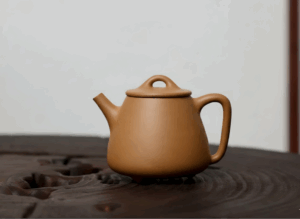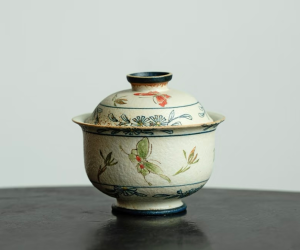

Introduction
If you are new to Chinese tea, you may have heard that Yixing teapots are special.
However, many explanations focus on tradition or mystique, while few clearly explain what a Yixing teapot actually is and when it truly improves tea.
In this guide, we will answer two practical questions for beginners:
- What defines a Yixing teapot?
- Why do experienced tea drinkers choose Yixing teapots over porcelain or glass?
This article focuses on real-world brewing experience, not myths or marketing language.
What Is a Yixing Teapot?
Broadly speaking, a Yixing teapot refers to a teapot made from zisha (purple clay).
However, this broad definition can be misleading.
The Broad Definition of Zisha Teapots
From a geological standpoint:
- Zisha-like clay is not unique to Yixing.
- Many regions in China—especially those with karst terrain—contain similar clay minerals.
- Teapots made from these clays are sometimes labeled as “zisha teapots.”
- Industrially produced teapots made in Yixing may also be marketed under the same name.
All of these technically fall under the category of zisha teapots.
The Practical Definition of a True Yixing Teapot
When experienced tea drinkers refer to a true Yixing teapot, they usually mean something more specific.
In this guide—and throughout our Yixing teapot knowledge series—we use the following narrow definition:
A true Yixing teapot must meet all three conditions below:
- Made and fired in Dingshu Town, Yixing
- Crafted from local or nearby Yixing clay deposits
- Formed using traditional handcrafting methods
Only teapots that meet these criteria are generally recognized as authentic Yixing teapots.
Why These Conditions Matter: Breathability
Meeting these three conditions gives Yixing teapots their most distinctive feature:
Controlled Breathability (Porosity)

Rather than using complicated chemistry, a simple analogy works best.
A traditional Yixing teapot behaves somewhat like a piece of activated charcoal shaped into a teapot, but with balanced absorption:
- It does not absorb flavor aggressively
- It gently softens:
- sharp or unpleasant aromas
- harsh bitterness or muddiness in the liquor
The result is often a rounder, smoother, and more drinkable cup of tea, especially when the tea itself is not perfect.
If you are interested in a deeper material-based explanation of this phenomenon, you may find our detailed article on
Yixing teapot permeability science helpful.
Do You Always Need a Yixing Teapot?
No. And this point is important.
If you are brewing a high-quality, well-processed tea, a Yixing teapot may not be necessary.
When Yixing Is Not the Best Choice
For example:
- Early spring green teas such as:
- Bi Luo Chun
- Longjing (Dragon Well)
These teas are prized for freshness and clarity.
They are usually better brewed in glass or porcelain, where nothing interferes with their delicate aromas.
When a Yixing Teapot Truly Shines
Yixing teapots show their strength when brewing imperfect or challenging teas.

Common examples include:
- Aged raw pu-erh (5+ years old) with uncertain storage
- Over-roasted or poorly processed teas
- Rock oolongs that taste:
- overly bitter
- sharply astringent
- stale or oily when brewed in porcelain
In such cases, the clay’s balanced absorption can reduce unpleasant extremes and reveal hidden sweetness and body.
If you are curious about how different Yixing clay labels are often misunderstood—especially in the market—you may want to read
Unmasking the “Da Hong Pao” Clay Myth.
Why Yixing Teapots Are Considered Essential Tea Tools
To summarize, a true Yixing teapot:
- Is made in Dingshu, Yixing
- Uses local Yixing clay
- Is traditionally handcrafted
- Has controlled breathability
- Can significantly improve the drinkability of non-perfect teas
This is why, in many traditional tea setups, Yixing teapots are considered essential tools, not luxury objects.
For readers interested in the deeper material composition behind Yixing clay, our article
Zisha Mineral Composition Analysis offers a more technical perspective.
Exploring Authentic Yixing Teapots
If you would like to see how traditional Yixing teapots look and feel in real use, you may explore our curated selection of authentic Yixing teapots made for daily tea brewing.
FAQ
No. A Yixing teapot is not “better” by default. Porcelain is ideal for high-quality, delicate teas, while Yixing teapots are more suitable for teas with rough edges or imperfections.
Yes. Beginners can benefit from Yixing teapots as long as they understand when and why to use them, rather than treating them as all-purpose teaware.
Yixing teapots do not add flavor, but their porous clay can soften harsh aromas and bitterness, making some teas more balanced.
No. Clay source, craftsmanship, and firing method all influence the final brewing behavior.