
Quick Answer: Why Is Pu Erh Tea So Expensive?
Pu Erh tea can be expensive because its price is shaped by origin, tree age, harvest season, processing skill, storage conditions, brand reputation, and collector demand. Not every Pu Erh tea is costly, but rare mountain material, well-aged cakes, trusted producers, and carefully stored teas usually command higher prices.
For beginners, the most important point is this: expensive Pu Erh is not automatically the best tea for you. A high price may reflect scarcity or reputation, but the right tea should still match your taste, brewing style, budget, and experience level.
Main Factors Behind Pu Erh Tea Price
| Price factor | Why it matters | Beginner takeaway |
|---|---|---|
| Origin and mountain | Famous Yunnan tea regions and villages often have limited output and strong demand | Origin matters, but do not buy by mountain name alone |
| Tree age and leaf material | Old tree or ancient tree material is scarcer and usually more expensive | Check whether the claim is credible before paying a premium |
| Harvest season | Spring tea is often more sought after because of its aroma, texture, and limited harvest window | Spring tea can be valuable, but storage and processing still matter |
| Craft and processing | Plucking, kill-green, sun-drying, fermentation, and compression all affect quality | Good processing creates balance, not just a famous label |
| Aging and storage | Pu Erh may develop more depth over time, but only under suitable storage conditions | Aged tea is valuable only when it has been stored well |
| Brand reputation | Trusted producers and established brands can command higher prices | Brand can reduce risk, but it should not replace tasting and inspection |
| Market demand | Collectors, limited releases, and popular batches can push prices higher | Do not confuse market hype with personal drinking value |
Scarcity: The Limited Supply of Exceptional Tea
The first major reason Pu Erh tea can become expensive is scarcity. Pu Erh tea is produced primarily in Yunnan Province, China, but the most sought-after teas often come from specific mountains, villages, or tea gardens with limited annual output. Regions such as Menghai, Mengla, and Simao are often discussed because of their long relationship with Pu Erh production and their distinctive growing conditions.
These areas may offer suitable altitude, climate, soil, and biodiversity for producing complex Pu Erh tea. However, land is limited, old tea trees do not produce unlimited leaves, and famous origins attract strong demand. When supply is naturally restricted and demand keeps growing, prices rise.
Specific Tea Gardens and Varieties
Not all Pu Erh tea is created equal. Some teas come from ordinary plantation material, while others come from older trees in well-known mountain areas. Tea gardens with a strong reputation may produce leaves with deeper texture, stronger aftertaste, more fragrance, or better aging potential. These qualities make certain teas more desirable to collectors and serious drinkers.
However, origin names can also be overused in the market. A famous mountain name by itself does not guarantee quality. If you are paying a high price, it is wise to look for clear sourcing, trustworthy sellers, batch information, storage notes, and tasting evidence. You can also compare with our guide on how to identify high-quality Pu Erh tea.
Seasonal and Hand-Picked Harvesting
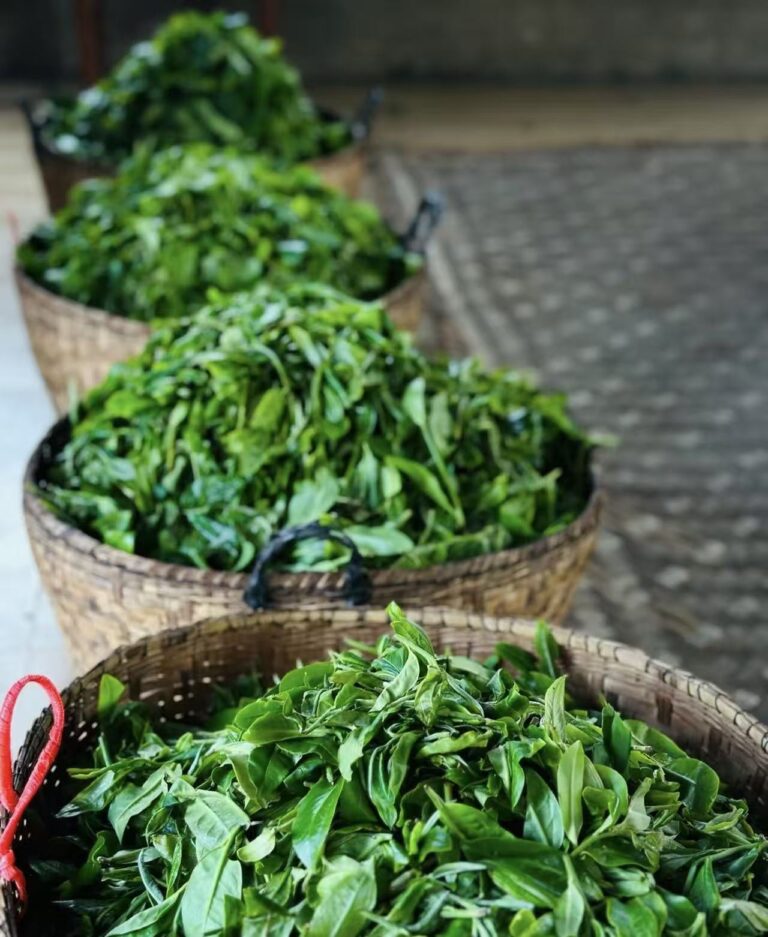
Premium Pu Erh tea is often handpicked, especially when producers want to preserve leaf integrity and select a specific picking standard. This is slower and more expensive than large-scale mechanical harvesting. The harvest season for Pu Erh tea also affects price, with spring tea often receiving more attention because of its freshness, aroma, and limited production window.
When a tea is made from carefully selected leaves, harvested during a short seasonal window, and produced from a limited area, the cost naturally increases before the tea even reaches the processing stage.
Quality Control: Craftsmanship, Processing, and Storage
The second major reason Pu Erh tea can be expensive is quality control. A good Pu Erh tea is not only about raw material. It also depends on how the leaves are processed, dried, fermented, compressed, stored, and eventually sold. Small mistakes at any stage can reduce the tea’s value.
Traditional Processing and Craft
Pu Erh tea production may include steps such as withering, pan-frying, rolling, sun-drying, fermentation, sorting, steaming, and compression. Raw Pu Erh and ripe Pu Erh follow different paths, but both require experience. The producer needs to preserve the tea’s structure while avoiding overprocessing, unwanted sourness, harsh bitterness, or flat flavor.
Traditional handcrafting is not valuable simply because it sounds old-fashioned. It matters when skilled makers use careful judgment to bring out aroma, sweetness, body, and aging potential. That skill becomes part of the price.
Aging and Storage: The Role of Time in Pu Erh Value
One of the most distinctive features of Pu Erh tea is that it can change with age. Unlike many teas that are mainly valued for freshness, Pu Erh can become smoother, deeper, and more layered over time. This aging potential is one reason older Pu Erh cakes may become expensive.
But aging only adds value when storage is appropriate. Storing Pu Erh tea requires attention to airflow, humidity, temperature, odor control, and cleanliness. Poor storage can make tea musty, flat, sour, or unpleasant. Good storage takes space, time, monitoring, and risk, and those costs are reflected in the final price.
This is why an aged Pu Erh tea should not be judged only by its year. A well-stored younger tea can be more enjoyable than an older tea that was stored badly. Age can increase value, but storage quality determines whether that age is meaningful.
Brand and Market Demand: The Power of Reputation
Brand reputation also plays a major role in Pu Erh pricing. Well-known producers such as Da Yi, Zhong Cha, Fu Jin Tea, and other established names may command premium prices because buyers trust their sourcing, processing, batch consistency, and market history.
At the same time, collector demand can push prices beyond normal drinking value. Limited releases, famous batches, auction activity, and speculation can all raise the price of certain Pu Erh teas. For collectors, this may be part of the appeal. For daily drinkers, it is worth asking whether the tea’s flavor justifies the price for your own use.
Is Expensive Pu Erh Always Better?
No. Expensive Pu Erh tea is not always better for every drinker. A high price may reflect rarity, brand value, age, mountain origin, or collector interest. Those factors can be meaningful, but they do not always guarantee that you will enjoy the tea more.
If you are new to Pu Erh, it is often better to begin with reliable, well-stored teas rather than chasing the most famous or expensive cake. Try different styles first: ripe Pu Erh for a smooth and earthy profile, raw Pu Erh for a brighter and more energetic profile, and aged Pu Erh if you want more mellow complexity.
You can start by browsing a broader Pu Erh Tea collection, then compare specific producers, storage notes, and flavor descriptions before moving into higher-priced cakes.
How to Judge Whether Pu Erh Is Worth the Price
Before buying an expensive Pu Erh tea, look beyond the headline claims. Ask where it comes from, who produced it, how it was stored, whether the age is credible, and whether the flavor profile matches what you enjoy. If a tea claims to be rare, old, or from a famous mountain, the seller should provide enough context to support that claim.
It is also useful to learn the warning signs of suspicious teas. Our guide to identifying fake Pu Erh tea can help you avoid common problems such as exaggerated age claims, unclear origin stories, and poor storage conditions.
Final Thoughts
The price of Pu Erh tea reflects a combination of scarcity, origin, craftsmanship, aging, storage, reputation, and demand. Some Pu Erh teas are expensive because they are genuinely limited and carefully made. Others are expensive because of brand power or collector hype.
For tea enthusiasts, high-quality Pu Erh can be worth the cost when the tea offers depth, balance, clean storage, and a memorable drinking experience. For beginners, the smarter path is to build taste experience gradually, compare different styles, and buy from sources that explain the tea clearly rather than relying only on price as a signal of quality.
Frequently Asked Questions
Pu Erh tea can be expensive because of limited origin supply, old tree material, seasonal harvesting, skilled processing, aging, storage costs, brand reputation, and collector demand. The highest prices usually appear when several of these factors overlap.
Pu Erh tea can improve with age, but only when it is stored well. Good aging may make the tea smoother, deeper, and more complex. Poor storage can damage the tea, so age alone does not guarantee quality.
No. Expensive Pu Erh is not always better for every drinker. Price may reflect rarity, brand reputation, age, or collector demand, but the best tea for you should match your taste, budget, and brewing habits.
Pu Erh tea is different because it is designed to transform over time. Raw Pu Erh can age naturally for years, while ripe Pu Erh goes through a managed fermentation process. This aging and fermentation potential gives Pu Erh its distinctive depth and market value.
Pu Erh tea should be stored with good airflow, stable temperature, suitable humidity, and protection from strong odors. It should not be sealed in a damp or smelly place. Clean storage is essential because poor storage can reduce the tea’s value.