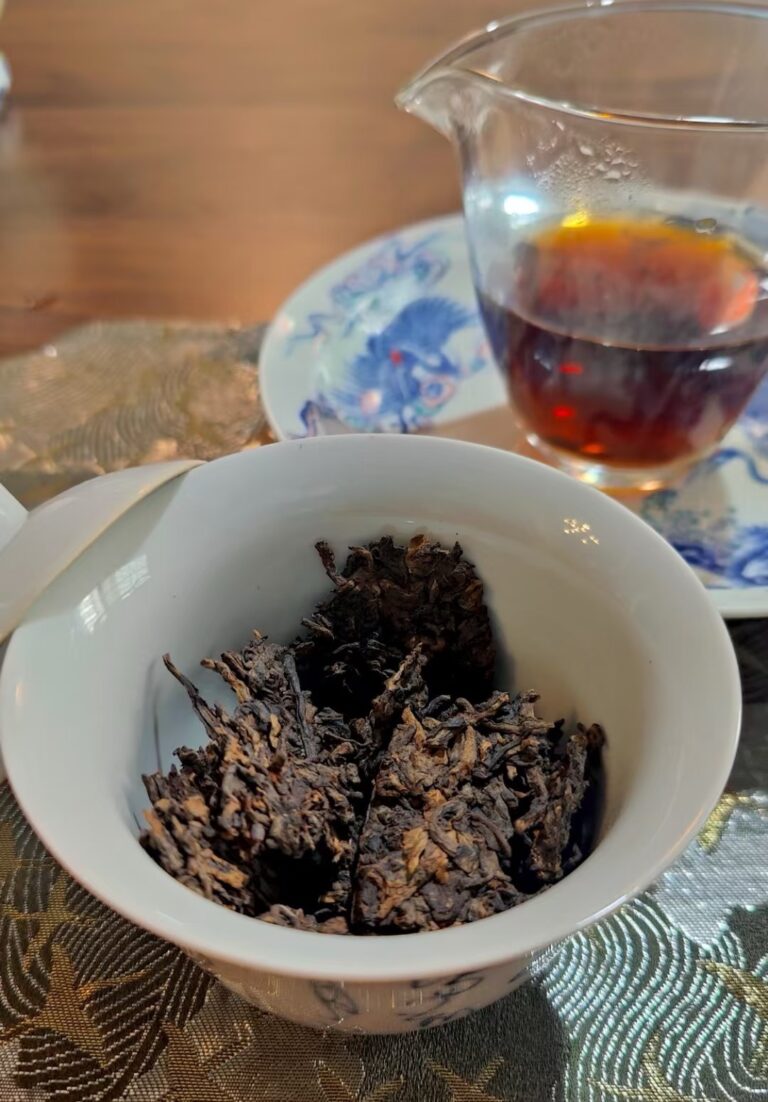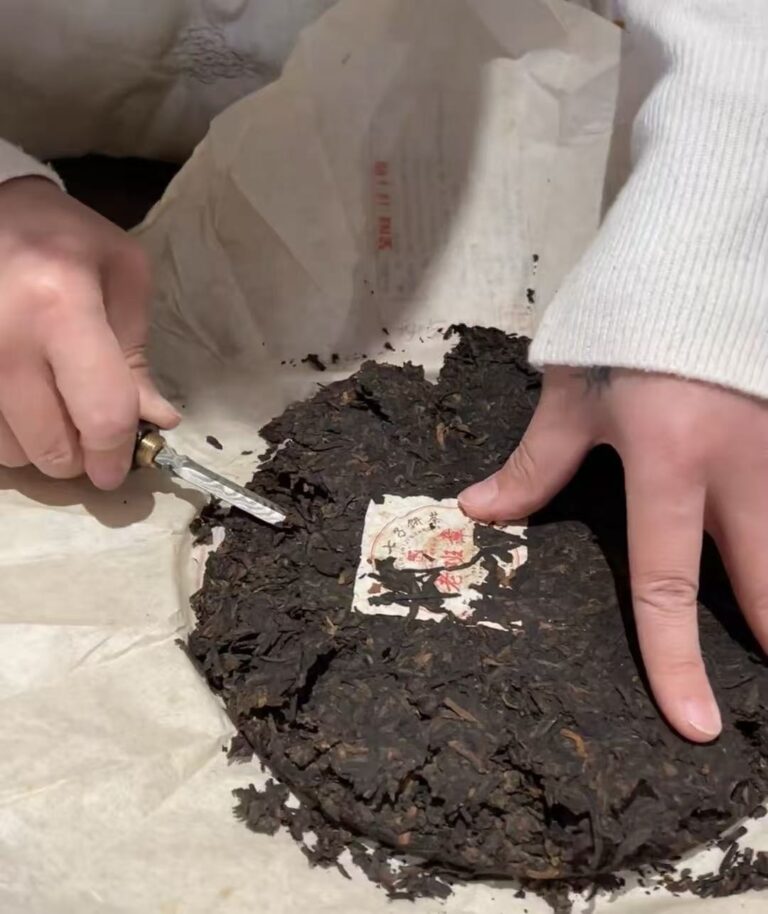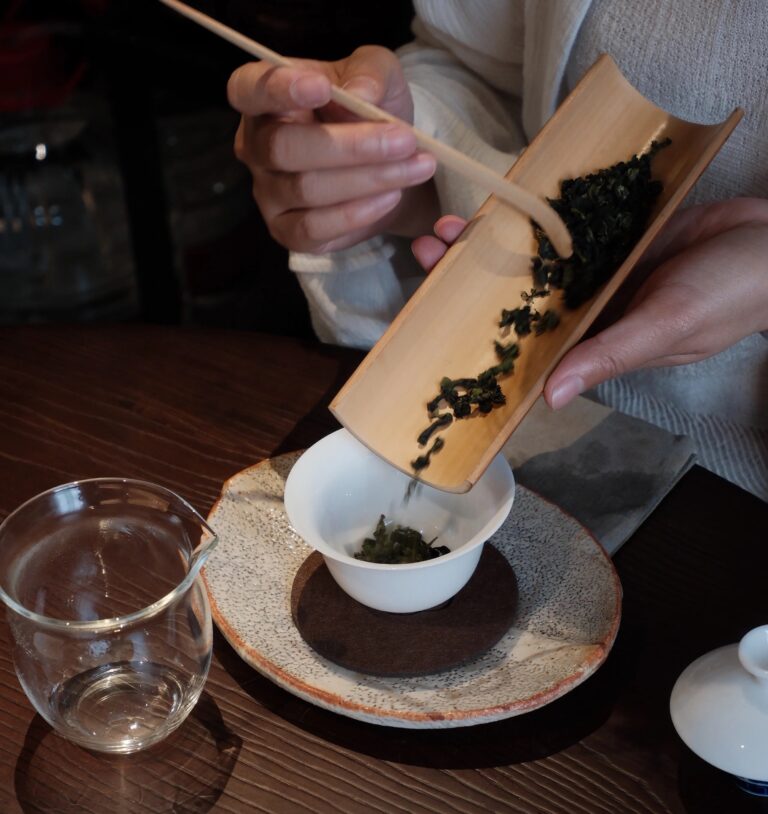

Raw pu erh tea and green tea can look related at first glance. Both are made from tea leaves, both can brew a bright yellow-green liquor when young, and both may taste fresh, grassy, or slightly astringent. Yet they behave very differently after production. Green tea is usually at its best when it is fresh. Raw Pu-erh, also called sheng Pu-erh, is made with aging in mind.
The difference is not magic, and it is not only about time. It comes from tea material, processing choices, moisture control, microbial activity, oxidation, and storage. A good raw Pu-erh can become softer, sweeter, deeper, and more aromatic over years. A typical green tea, stored for the same length of time, usually loses its fresh aroma and turns flat or stale.
Quick Answer: Why Does Raw Pu Erh Tea Age Better Than Green Tea?
Raw Pu-erh ages better because it is processed and stored in a way that allows slow transformation after production. The tea is usually sun-dried, often compressed, and stored with enough airflow and environmental contact for gradual chemical and microbial changes. Over time, bitterness can soften, aroma can deepen, and the tea can develop notes of dried fruit, honey, wood, herbs, or camphor.
Green tea is different. It is usually heated more thoroughly to preserve a fresh, green character, then dried for short-term drinking. That process protects the tea’s early brightness, but it also means green tea is not designed for long storage. Most green teas taste best within months of production, not years.
If you are new to Pu-erh, the raw Pu-erh tea beginner guide is a helpful next step after this comparison.
Raw Pu Erh Tea and Green Tea Start in Similar Territory
The confusion is understandable. Young raw Pu-erh can taste surprisingly close to green tea. It may have a fresh aroma, a bright liquor, noticeable bitterness, and a lively finish. Some new drinkers taste young raw Pu-erh and assume it is simply a stronger version of green tea.
That first impression misses the bigger picture. Raw Pu-erh is made to keep changing. Green tea is made to capture a fresh moment. The same leaf can move in very different directions depending on how it is heated, dried, shaped, and stored.
The Role of Tea Material
Raw Pu-erh is usually made from Yunnan large-leaf tea varieties. These leaves often have enough strength, bitterness, aroma compounds, and internal substance to support long aging. Not every raw Pu-erh will age well, but suitable material gives the tea a better foundation.
Green tea can come from many regions and cultivars. It is usually judged by freshness, fragrance, tenderness, and clarity. Delicate spring green teas can be beautiful, but their appeal is often tied to volatile aromas that fade with time.
The Role of Processing
Green tea is heated soon after picking to stop most enzymatic oxidation and protect its green color and fresh aroma. Depending on the style, it may be pan-fired, steamed, baked, or dried in other ways. This is why good green tea can taste vivid and clean when fresh.
Raw Pu-erh also goes through heat treatment, but the finished maocha is traditionally sun-dried and left in a form that can continue to transform. The goal is not to lock the tea permanently in a fresh state. The goal is to create a tea that can be enjoyed young or stored for gradual change.
For a broader view of the category, see the raw and ripe Pu-erh comparison guide.
What Happens as Raw Pu Erh Tea Ages?
As raw pu erh tea ages, several changes can happen at the same time. The sharp edge of bitterness may soften. Astringency may become less aggressive. Fresh grassy notes may move toward dried fruit, honey, old wood, herbs, or mineral depth. The texture can become rounder, and the aftertaste may last longer.
This is why collectors and daily drinkers both pay attention to raw Pu-erh storage. A young tea may feel intense or unfinished, while the same tea after years of careful storage may feel calmer and more layered. But aging is not a guarantee. Weak raw material, flawed processing, or poor storage can leave a tea thin, sour, musty, or simply dull.
Aging Is Transformation, Not Automatic Improvement
It is tempting to say raw Pu-erh gets better with age, but the better statement is this: raw Pu-erh has aging potential. That potential depends on the tea and the storage. A strong, balanced tea stored in a clean environment can become more enjoyable over time. A poorly made tea will not become great just because it is old.
Good storage should be clean, stable, and free from strong odors. Pu-erh should not be kept beside perfume, smoke, spices, or damp household areas. It also should not be sealed away so tightly that it has no chance to settle and breathe. If a tea smells moldy or dirty, age is not the selling point.
How Storage Climate Changes the Cup
Storage conditions shape aged raw Pu-erh. Warmer and more humid storage can transform tea faster, sometimes creating a softer and darker profile. Cooler and drier storage usually changes tea more slowly, often preserving more brightness and structure. Neither path is automatically better; the question is whether the storage is clean and whether the result tastes good.
If you are choosing teas to store, start with small amounts. Taste the tea when it arrives, then return to it over time. That habit builds your own reference for what aging actually does.
Why Green Tea Usually Does Not Improve With Age
Green tea is generally built around freshness. The best cup often depends on fragrance, sweetness, tender leaf character, and a clean finish. Those traits are fragile. With time, oxygen, heat, light, and moisture can dull the aroma and make the tea taste stale.
This does not mean every old green tea is unsafe or undrinkable. It means most green teas are not designed to become more complex through long aging. For ordinary storage, green tea is better treated like a fresh seasonal food: buy a reasonable amount, keep it sealed and cool, and drink it while the aroma is still lively.
What Fades in Green Tea?
Green tea loses its charm when the high, fresh aroma fades. A once-bright tea may become flat, woody, papery, or slightly sour. The color can shift from vivid green or yellow-green toward a duller yellow or brown. The liquor may still be drinkable, but the reason people prize fresh green tea is usually gone.
Good storage can slow this decline. Keep green tea away from light, heat, air, and moisture. For many drinkers, an airtight container in a cool place is enough for short-term drinking. Very delicate green teas benefit from extra care, especially after opening.
Are There Exceptions?
There are always exceptions in tea. Some roasted, compressed, or specially stored teas may be discussed differently from ordinary fresh green tea. But for a practical buying and drinking decision, the rule is simple: drink green tea fresh, and age raw Pu-erh only when the tea and storage are suitable.
Raw Pu Erh Tea vs Green Tea: Aging Comparison
| Factor | Raw Pu Erh Tea | Green Tea |
|---|---|---|
| Best drinking window | Can be enjoyed young or aged for years | Usually best within months of production |
| Main appeal | Transformation, depth, aftertaste, storage character | Fresh aroma, clarity, tenderness, lively flavor |
| Storage goal | Controlled slow change | Preserve freshness and prevent decline |
| Common aging result | Bitterness softens; aroma becomes deeper and sweeter | Freshness fades; aroma can become flat or stale |
| Risk | Poor storage can cause mustiness or dull flavor | Too much time, air, heat, or light reduces quality |
How to Taste the Difference
The easiest way to understand raw pu erh tea vs green tea is to taste them side by side. Brew a young raw Pu-erh and a fresh green tea with care, then compare aroma, bitterness, body, and aftertaste. The green tea may feel clearer and more delicate. The raw Pu-erh may feel stronger, more structured, and more persistent.
Then compare a young raw Pu-erh with an older raw Pu-erh. This shows the aging question more clearly. Young raw tea often has more bite. Older raw tea, when stored well, may show softer edges, deeper sweetness, and a calmer finish.
For brewing details, use the Pu-erh tea brewing guide to set a reliable baseline before judging flavor.
Which One Should You Buy?
Choose green tea if you want a fresh, fragrant tea to drink soon. It is best for people who enjoy clean aroma, spring-like brightness, and lighter texture. Buy only what you can finish while it still tastes fresh.
Choose raw Pu-erh if you enjoy stronger tea, changing flavor, and the possibility of long-term storage. You do not need to become a collector to enjoy it. Start with drinkable young raw Pu-erh, compare a few storage styles, and pay attention to how the tea feels across several infusions. The raw Pu-erh tea collection is the natural place to browse when you are ready to compare examples.
FAQ
Is raw Pu Erh tea a type of green tea?
No. Young raw Pu-erh can taste fresh and green, but it is not the same category as green tea. Raw Pu-erh is made for possible post-production aging, while green tea is usually processed to preserve freshness for near-term drinking.
Can green tea be aged like raw Pu-erh?
Most green tea should not be aged like raw Pu-erh. It usually loses aroma and freshness over time. Store green tea carefully and drink it while it still tastes bright.
Does all raw Pu-erh improve with age?
No. Raw Pu-erh can age, but it does not always improve. Good aging depends on suitable leaf material, careful processing, and clean storage.
How should I store raw Pu-erh tea?
Keep raw Pu-erh in a clean, odor-free place with stable conditions and some airflow. Avoid direct sunlight, damp corners, perfume, smoke, and strong kitchen smells.
Raw Pu Erh Tea and green tea both have their own beauty, but they ask for different expectations. Green tea is about freshness. Raw Pu-erh is about structure, patience, and transformation. Once you understand that difference, buying, brewing, and storing each tea becomes much easier.