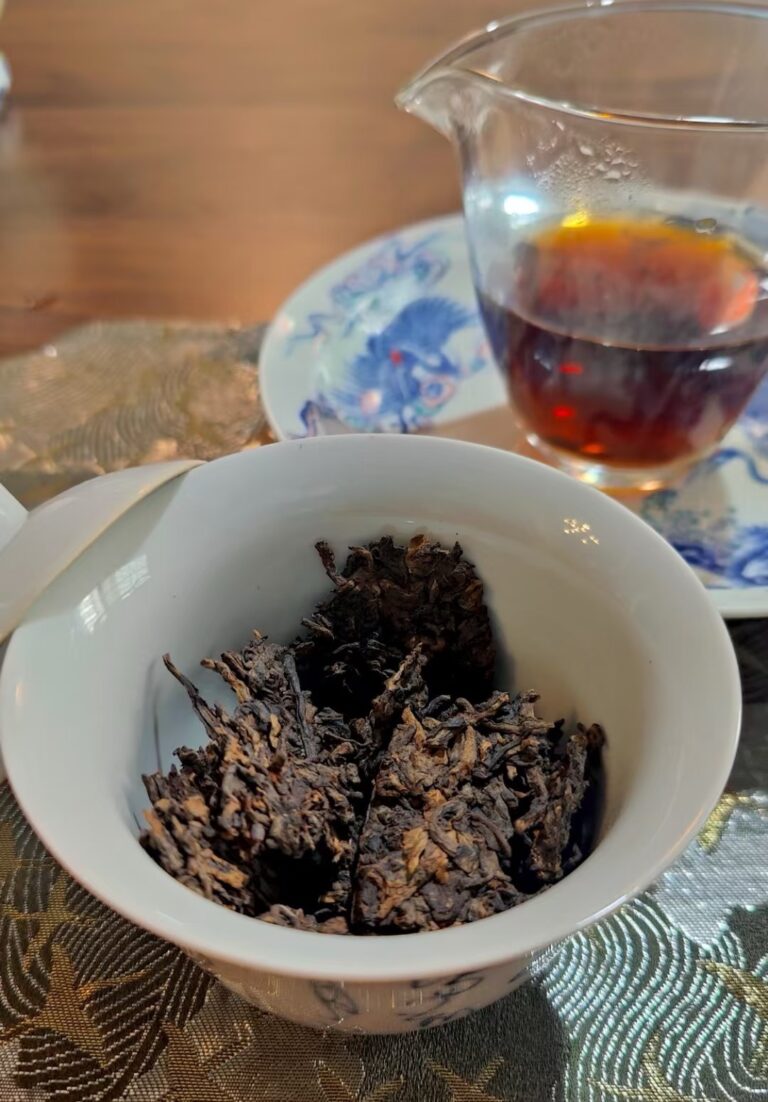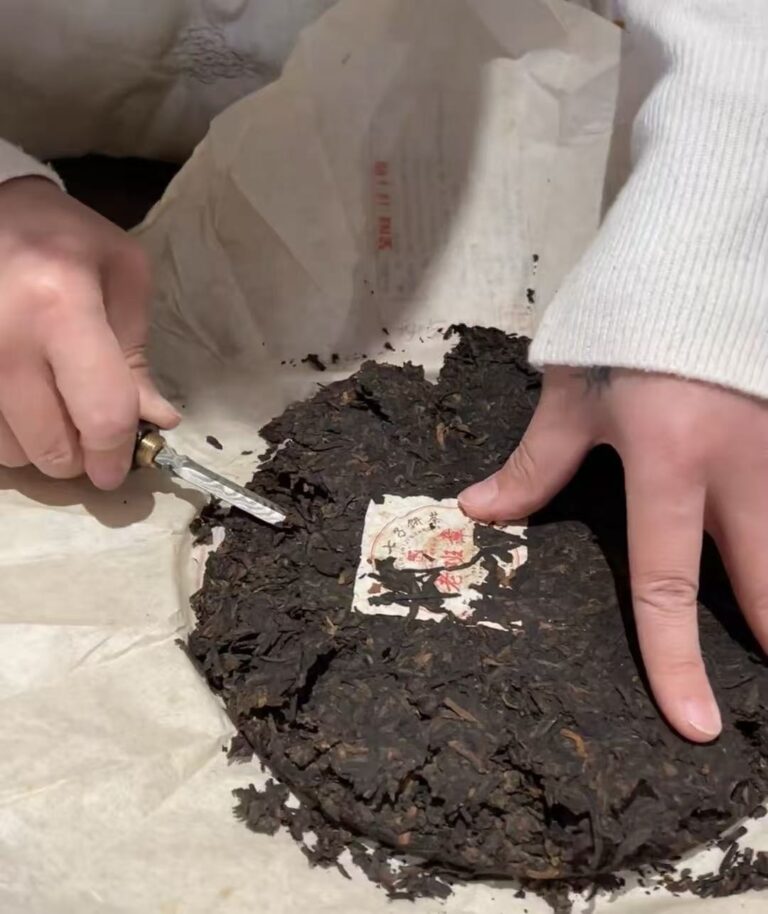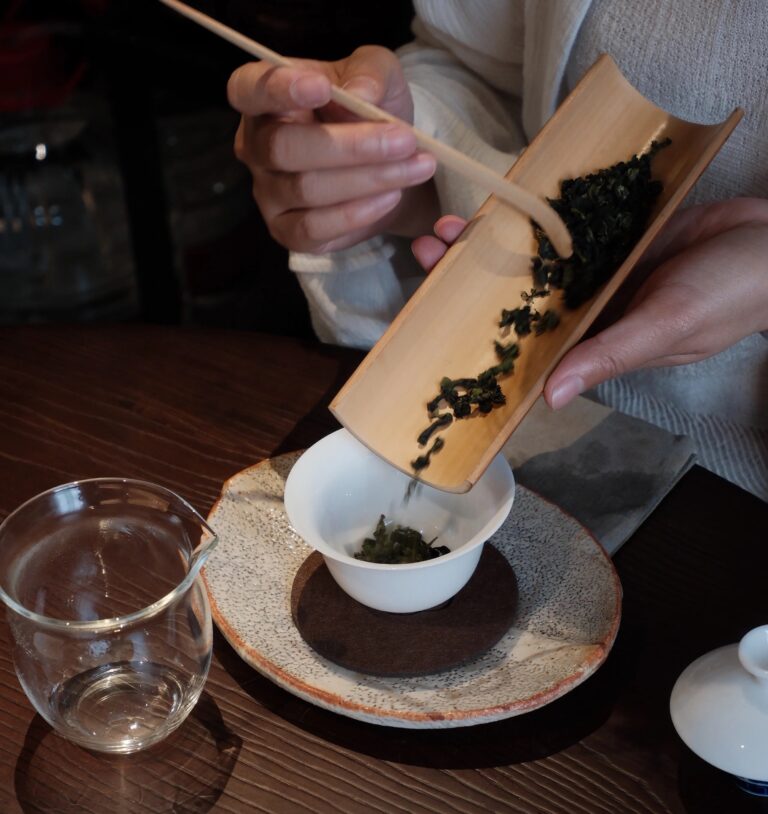
A Sancai gaiwan is a traditional Chinese lidded tea bowl made of three parts: a lid, a bowl, and a saucer. The name “Sancai” refers to the idea of three elements: heaven, earth, and humanity. In the gaiwan, the lid represents heaven, the saucer represents earth, and the bowl in the middle represents the person brewing and drinking the tea.
For tea drinkers, a Sancai gaiwan is more than a symbolic object. It is also one of the most practical pieces of Chinese teaware. It can brew many loose-leaf teas clearly, lets you smell the leaves between infusions, and gives you direct control over pouring speed and strength.
This guide explains what a Sancai gaiwan is, how its three parts work, why it remains useful in modern tea brewing, and how beginners can choose and use one with confidence.

Before You Buy or Use a Sancai Gaiwan
A Sancai gaiwan is best understood as both a cultural vessel and a practical brewing tool. Its three-part structure carries traditional meaning, but its value in daily tea is much simpler: it helps you brew loose-leaf tea with control.
If you are still learning Chinese tea, a gaiwan is often easier to understand than a specialized clay teapot. Porcelain or glazed ceramic does not absorb flavor, so one gaiwan can be used for green tea, white tea, oolong, black tea, and pu-erh. That makes it a flexible first step before moving into more specialized teaware such as a Yixing teapot.
What Is a Sancai Gaiwan?
A Sancai gaiwan is a three-piece Chinese tea vessel used for brewing and drinking tea. It usually includes:
- Lid: used to hold in heat, move leaves, smell aroma, and control the pour.
- Bowl: holds the tea leaves and hot water.
- Saucer: supports the bowl and protects the hand from heat.
The term “gaiwan” means lidded bowl. The Sancai version highlights the relationship between the three parts. In traditional interpretation, the lid is heaven, the saucer is earth, and the bowl is humanity. When the three parts work together, the vessel becomes a small expression of balance.
That symbolism is one reason the Sancai gaiwan is loved in Chinese tea culture. But its staying power comes from function. The lid lets you control how quickly tea leaves are exposed. The wide bowl lets leaves open naturally. The saucer makes the vessel easier to lift and serve.
Why the Three-Part Design Matters
The Sancai gaiwan looks simple, but each part affects brewing.
The Lid Controls Aroma and Pouring
The lid is not only a cover. During brewing, you can tilt it slightly to create a narrow opening. A smaller opening holds back fine leaves and slows the pour. A wider opening pours quickly and prevents over-steeping. After each infusion, the inside of the lid also carries aroma, which helps you read the tea’s fragrance as it changes.
The Bowl Gives Leaves Room to Open
A gaiwan bowl gives loose leaves enough space to expand. This is especially useful for rolled oolong, twisted Wuyi tea, large white tea leaves, and compressed pu-erh that loosens over multiple infusions. Because the bowl is open and visible, you can watch the leaves and adjust your next steep.
The Saucer Protects the Hand
The saucer is easy to overlook, but it matters. It gives your fingers a cooler place to hold the vessel and catches small drips. For beginners, a well-shaped saucer can make the gaiwan feel more stable and less intimidating.
Sancai Gaiwan vs Regular Gaiwan
Many modern gaiwans still have three parts, so the difference is not always strict. In practice, “Sancai gaiwan” usually emphasizes the classic lid-bowl-saucer structure and the cultural meaning behind it.
| Feature | Sancai gaiwan | Simple gaiwan |
|---|---|---|
| Parts | Lid, bowl, and saucer | Usually lid and bowl, sometimes saucer |
| Cultural meaning | Heaven, earth, and humanity | May focus more on function |
| Beginner handling | Saucer can make lifting easier | Depends on shape and heat control |
| Best use | Daily tea brewing, serving, and ceremonial presentation | Daily brewing and tea tasting |
| Look and feel | More traditional and complete | Often simpler or more minimal |
If you are comparing current options, the gaiwan collection is the best place to start. Look at size, rim shape, lid fit, and how the saucer supports the bowl before focusing on decoration.
How to Use a Sancai Gaiwan
Using a Sancai gaiwan takes a little practice, but the basic method is straightforward.
- Warm the gaiwan. Rinse the lid, bowl, and saucer with hot water, then discard the water.
- Add tea leaves. Use enough leaf for short infusions. For gongfu brewing, many teas work well around 5-8 grams per 100-150 ml, adjusted by tea type and taste.
- Add water. Use the right water temperature for the tea. Delicate teas need cooler water, while pu-erh and roasted oolong usually need hotter water.
- Place the lid slightly open. Tilt the lid just enough to hold back the leaves while allowing the liquor to pour.
- Pour steadily. Hold the rim and saucer, pour into a fairness pitcher or cup, and avoid leaving tea sitting too long in the bowl.
- Repeat and adjust. Increase or shorten later infusions based on taste.
If you want a deeper step-by-step technique guide, read our article on how to use a gaiwan. For broader brewing basics, including water temperature and tea-to-water ratio, our Chinese tea brewing guide is a useful companion.
What Teas Work Well in a Sancai Gaiwan?
A porcelain or glazed Sancai gaiwan is one of the most flexible vessels for Chinese tea because it does not hold on to flavor. That makes it useful when you drink different teas and want a clean comparison.
- Green tea: good for watching tender leaves open, especially when using slightly cooler water.
- White tea: useful for large leaves and a clean, gentle aroma.
- Oolong tea: excellent for rolled or twisted leaves that change over many infusions.
- Pu-erh tea: useful for tasting raw and ripe pu-erh clearly before choosing a dedicated pot.
- Black tea: works well when you want clean aroma and controlled strength.
If you mostly drink oolong tea or pu-erh tea, a gaiwan is still a strong tool even if you later add a Yixing teapot. It lets you taste a tea more neutrally before deciding whether a clay pot improves it.
For more pairing ideas, see our guide to the best teas for gaiwan brewing.

Is a Sancai Gaiwan Good for Beginners?
Yes, a Sancai gaiwan can be a good beginner vessel, especially if it is the right size and shape. The main challenge is heat. A thin gaiwan with a narrow rim can feel hot and difficult to hold. A well-balanced gaiwan with a comfortable rim and stable saucer is much easier.
For most beginners, a practical size is around 120-150 ml. It is large enough to handle comfortably but still small enough for repeated gongfu-style infusions. Very small gaiwans can feel too delicate at first, while very large ones can make short infusions harder to control.
If you are choosing your first one, our guide to choosing a gaiwan and modern gaiwan buying guide can help you compare size, material, and shape before buying.
How to Choose a Sancai Gaiwan
The best Sancai gaiwan is not always the most ornate one. For daily tea, comfort matters more than decoration.
Choose a Comfortable Size
For one person or one to two people, 120-150 ml is usually a safe range. It gives enough room for the leaves while keeping the pour easy to control.
Check the Rim
A slightly flared rim gives your fingers more distance from hot water. This is especially important for beginners who are still learning how to pour.
Look for a Stable Lid
The lid should move smoothly but not feel loose or awkward. You should be able to create a small pouring gap without fighting the shape.
Pay Attention to the Saucer
The saucer should support the bowl securely. If the bowl slides too easily, pouring may feel unstable.
Choose Material by Use
Porcelain and glazed ceramic are the most versatile choices. They are easy to clean and do not absorb strong aromas. If you want one vessel for many teas, start there.
If you are comparing teaware beyond gaiwans, our guide on how to choose teaware for brewing Chinese tea explains how different vessels change heat, aroma, and brewing control.
When a Gaiwan Is Better Than a Teapot
A Sancai gaiwan is often better than a teapot when you want clarity and flexibility.
- Use a gaiwan when testing a new tea.
- Use a gaiwan when switching between different tea types.
- Use a gaiwan when you want to smell the leaves after each infusion.
- Use a gaiwan when you want direct control over pouring speed.
A teapot, especially an unglazed clay teapot, can be excellent for a tea family you already know well. A gaiwan is better when you are still learning, comparing, or exploring. Many tea drinkers keep both: a gaiwan for tasting and a teapot for familiar daily teas.
Choosing Your First Sancai Gaiwan
At FONG’S TEA, we think of a gaiwan as a daily brewing tool first. It should feel steady in the hand, pour cleanly, and make tea easier to understand. Cultural meaning adds depth, but practical handling is what makes you reach for it every day.
If you want to compare shapes and sizes, start with the gaiwan collection. If you are building a complete tea setup, the Chinese tea sets collection can help you pair a gaiwan with cups, pitchers, and serving pieces.
FAQ
What is a Sancai gaiwan?
A Sancai gaiwan is a traditional Chinese lidded tea bowl with three parts: lid, bowl, and saucer. The three parts represent heaven, humanity, and earth, while also serving practical roles in brewing and pouring tea.
What is a Sancai gaiwan used for?
A Sancai gaiwan is used for brewing loose-leaf tea, especially in Chinese gongfu-style brewing. It allows short infusions, clear aroma, easy leaf observation, and direct control over pouring speed.
Is a Sancai gaiwan good for beginners?
Yes, if the size and shape are beginner-friendly. A porcelain gaiwan around 120-150 ml with a comfortable rim and stable saucer is usually easier to learn than a very small or very thin gaiwan.
What does Sancai mean?
Sancai refers to three elements: heaven, earth, and humanity. In a Sancai gaiwan, the lid represents heaven, the saucer represents earth, and the bowl represents the person in the middle.
What tea is best for a Sancai gaiwan?
A Sancai gaiwan works well with many teas, including green tea, white tea, oolong, black tea, and pu-erh. Porcelain or glazed ceramic versions are especially versatile because they do not absorb flavor.
Is a gaiwan better than a teapot?
A gaiwan is better when you want clarity, flexibility, and control across many tea types. A teapot can be better for familiar teas that benefit from heat retention or clay interaction. Many tea drinkers use both.
How do you hold a Sancai gaiwan without burning your fingers?
Hold the rim lightly and use the saucer for support. Avoid gripping the hot bowl directly. A gaiwan with a flared rim, stable saucer, and moderate wall thickness is easier and safer for beginners.