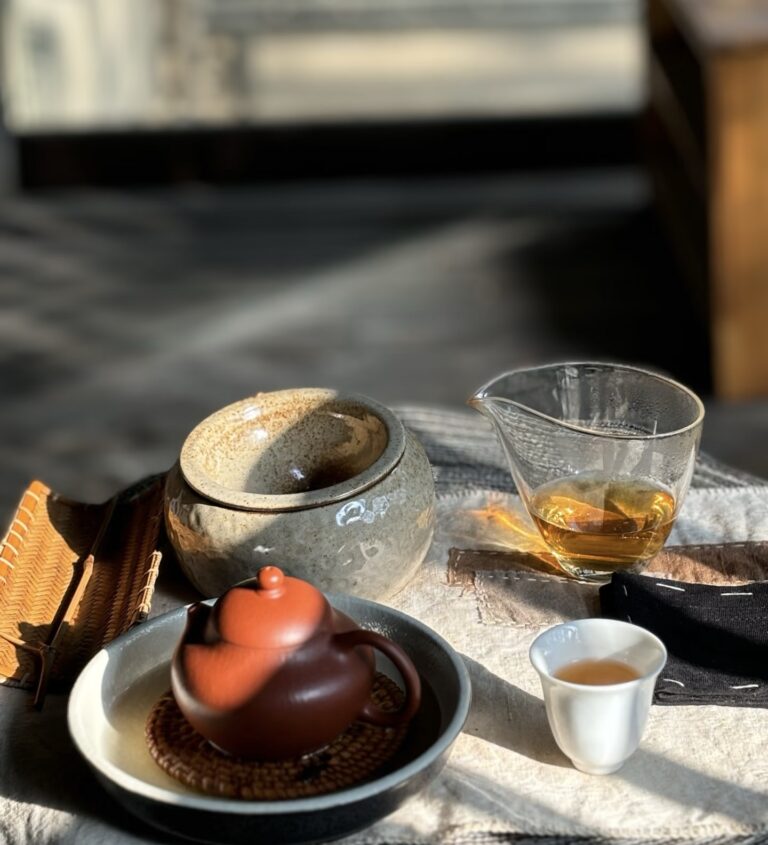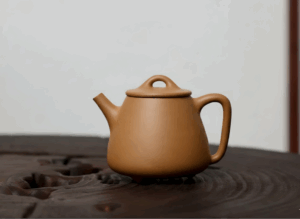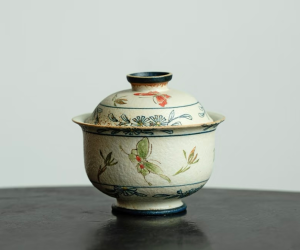

Zhu Ni (朱泥), or red clay, is a fascinating yet controversial clay in the world of Yixing teapots. Many tea lovers and collectors describe it in vivid terms: warm like jade, smooth as silk, and glowing like bright cinnabar. At the same time, others criticize it because of widespread imitation, adulteration, and nontraditional production techniques—such as mixing purple clay with iron oxide pigments and marketing it as “Da Hong Pao”—that dilute understanding of what authentic Zhu Ni truly is.
Yet among serious potters and traditional craftsmen, there is another kind of dilemma:
genuine high-quality Zhu Ni clay is extremely rare—and the better the clay, the harder it is to form and fire into a successful teapot.
This combination of beauty and difficulty makes Zhu Ni one of the most beloved—and most frustrating—clays in the Yixing teapot family.
Before diving deeper, if you want to understand more about how Yixing clay properties influence tea performance and permeability, you may find this article helpful:
👉 Yixing teapot permeability science
The Geological Origins of Zhu Ni Clay
One defining characteristic of Zhu Ni is its extremely thin ore layers. Unlike some other Yixing clays, Zhu Ni often appears as narrow seams sandwiched between layers of other clays such as Zi Ni or Jia Ni.
According to veteran experts from the former Yixing Ceramic Company Raw Materials Factory, much of the historic Huanglong Mountain Zhu Ni was mined via open excavations. After removing an upper layer of purple clay, workers would carefully extract the thin Zhu Ni bands with simple tools. Because these seams were so narrow and the geology complex, this type of Zhu Ni is very rare today. Although it often contains impurities and may produce teapots with visual specks after firing, this is the same material used in many Ming and Qing dynasty Red Clay teapots.
Another known source is Xiao Meiyao Zhu Ni (“Small Coal Kiln” Zhu Ni), found near the historical Chuanbu coal mine. These deposits were unevenly located between coal and sandy layers, making extraction difficult. After the coal mine closed in 1997, formal mining for Zhu Ni ceased, though residential development in 2015 revealed remnants of these clay deposits whose quality and distribution remain largely undocumented.
A third and distinctive variety comes from Zhaozhuang, located between Huanglong Mountain and Xiangya Mountain. Zhaozhuang Zhu Ni raw clay is darker in color and closer in tone to purple clay, with natural iron oxide streaks. After firing, it produces a deep red or dark crimson hue. These characteristics have sometimes led less scrupulous producers to create synthetic mixes that imitate the look of Zhaozhuang clay and label them as “Da Hong Pao.”
If you are curious about how clay compositions differ across Yixing sources and how these mineral differences affect ceramics, see:
👉 Zisha mineral composition analysis (scientific)
How Different Zhu Ni Clays Behave After Firing

Zhu Ni’s behavior in the kiln varies significantly depending on its source:
Huanglong Mountain Zhu Ni
This older variety often includes traces of purple clay or other minerals. After firing, small black spots may appear on the surface, sometimes with faint streaking from traditional finishing tools. Shrinkage tends to be moderate, and liquid interaction is decent though not exceptional. Its appeal lies in historical authenticity rather than aesthetic perfection.
Zhaozhuang Zhu Ni
With shrinkage around 20%, Zhaozhuang clay typically fires to a vivid red or deep crimson. Fresh out of the kiln, the surface may show minor wrinkling that smooths with tea usage over time. Due to its strong interaction with different teas, it can develop unique patina variations depending on brewing choices.
Xiao Meiyao Zhu Ni
This type is extremely fine and silica-rich, often described among potters as having a distinct “oiliness.” It shrinks dramatically—sometimes beyond 30% at high temperatures—and lacks internal support without careful handling. This makes it the most difficult Zhu Ni to work with, but its fired result can offer excellent tea clarity and naturally charming shrinkage textures, with colors ranging from orange-red (low-fire) to bright scarlet (high-fire).
In general:
- Best water clarity: Xiao Meiyao
- Most dynamic aging and patina: Zhaozhuang
- Easiest to form & fire consistency: Huanglong Mountain
Why Zhu Ni Challenges Potters
Zhu Ni is unpredictable.
Its strong affinity for water means that even small misjudgments in clay moisture can cause problems:
- Clay slabs may stick to the workbench during forming
- Edges may tear despite careful handling
- Fine details can distort due to lack of internal support
During firing, Zhu Ni behaves almost like gelatin. An experienced dragon kiln master once commented, “Dragon kilns cannot fire Zhu Ni—when the airflow rises from below, the pots tremble.” Because of this instability, every firing yields slightly different results, even with identical greenware.
Repaired imperfections before firing often re-emerge or become exaggerated after firing. Two pots made from the same mold may look entirely different after firing.
This is why modern masters rarely pursue perfection in geometry or symmetry when working with Zhu Ni. If a teapot with flawless lines is sold cheaply, it usually indicates:
👉 It is not made from genuine high-quality Zhu Ni clay.
Historical and Aesthetic Distinction of Zhu Ni Teapots
Historically, Zhu Ni teapots have a distinct aesthetic lineage compared to other Yixing clay types. Traditional records often mention four figures associated with iconic Red Clay styles: Mengchen, Yigong, Siting, and Junde. These names—whether actual potters or symbolic lineages—recurring on seals reflect the stylistic traditions of early Zhu Ni craftsmanship.
Zhu Ni teapots typically exhibit:
- Thin walls
- Sleek forms
- Exposed joins
- Small volumes designed for dynamic infusion
This contrasts sharply with later styles in other clays such as Chen Mingyuan’s or Shao Daheng’s purple clay works, which tend toward heavier bodies and sculptural complexity.
Notes for Collectors and Buyers
If you are exploring genuine Yixing teapots and wish to experience authentic craftsmanship—be it Zhu Ni or other traditional clays—browsing carefully selected examples can help refine your eye:
👉 Explore authentic Yixing teapots
When choosing Zhu Ni teapots, focus less on perfect symmetry and flashy aesthetics and more on clay authenticity, craftsmanship, and firing signatures. Unrealistic perfection offered at low prices often suggests imitation or mixed materials.
Closing Thoughts
Zhu Ni remains among the most enigmatic clays in Yixing ceramics. Its rarity, technical difficulty, aesthetic uniqueness, and historical complexity all contribute to its mystique. Understanding it requires patience, observation, and an appreciation of both material and cultural context.
This article is Part 2 of an ongoing series. If you have not yet read Part 1 — which lays the foundation for understanding Yixing clays and brews — start here:
👉 What Is a Yixing Teapot?