
Chinese New Year 2026 marks the beginning of a new lunar cycle and is one of the most important traditional celebrations in Chinese culture. In Southern China, especially in Cantonese households, the Lunar New Year is defined by reunion dinners, symbolic foods, and extended family visits.
Festive tables are filled with rich, fried, sweet, and roasted dishes. While these foods symbolize prosperity and abundance, they can also feel heavy after several days of celebration. This is why tea plays an essential role during the holiday.
In Cantonese tradition, tea is not only a beverage — it is a balancing element that restores harmony after indulgent meals.
Cantonese New Year Food Traditions
Cantonese New Year snacks are deeply symbolic. Each item represents wishes for wealth, happiness, and good fortune in the year ahead.
Jian Dui (煎堆)
These golden, deep-fried glutinous rice balls coated in sesame seeds symbolize prosperity. Their crisp exterior and sweet filling make them a festive favorite.
Yau Kok (油角)
Shaped like ancient gold ingots, Yau Kok are filled with coconut, peanuts, and sugar. They represent financial abundance and are commonly prepared before the New Year begins.
Dan San (蛋散)
Light, twisted, and delicately sweet, Dan San are crunchy fried pastries enjoyed throughout family visits.
Because many of these snacks are fried or sugary, pairing them with the right tea enhances both flavor and comfort.
Why Tea Is Important During Lunar New Year
Traditional Chinese tea is often consumed after heavy meals because it helps refresh the palate and counterbalance oiliness.
During Chinese New Year celebrations, families may eat multiple large meals over several consecutive days. A well-chosen tea can:
- Cut through richness
- Cleanse the palate
- Balance sweetness
- Promote digestive comfort
Tea is therefore not separate from the meal — it completes it.
What Tea Pairs Best with Cantonese New Year Snacks?
The best tea for Chinese New Year food is one that contrasts or harmonizes with fried and sweet flavors without overwhelming them.
Two traditional styles stand out: raw Pu-erh tea and Wuyi rock tea.
Raw Pu-erh Tea for Fried and Sweet Snacks
Raw Pu-erh (also called sheng Pu-erh) is a naturally fermented tea from Yunnan province known for its bright, structured, and slightly brisk flavor profile.
Because of its lively texture and gentle bitterness, raw Pu-erh pairs especially well with sweet and oily foods. The tea’s structure helps cut through sesame-coated Jian Dui and coconut-filled Yau Kok, leaving the palate refreshed rather than heavy.
A tea such as the 2020 Fu Jin Da Man Lu raw Pu-erh tea cake offers floral aromatics with layered depth, making it suitable for daytime New Year gatherings when energy and clarity are welcome.
In simple terms, raw Pu-erh balances sweetness and reduces the lingering richness of fried festival snacks.
Wuyi Rock Tea for Roasted Harmony
Wuyi rock tea (Yancha) is a charcoal-roasted oolong tea grown in the rocky cliffs of Fujian province. It is known for its mineral depth and layered roasted aroma.
A medium-roast style such as premium Da Hong Pao rock tea complements sesame-based pastries and fried treats by echoing their toasted notes while adding structure and warmth.
After a substantial reunion dinner, Wuyi rock tea feels grounding and smooth rather than sharp. Its roasted character harmonizes with rich dishes without increasing heaviness.
For evening tea sessions during Chinese New Year, this style often feels especially appropriate.
How to Brew Tea for a Traditional New Year Gathering
Brewing method matters just as much as tea choice.
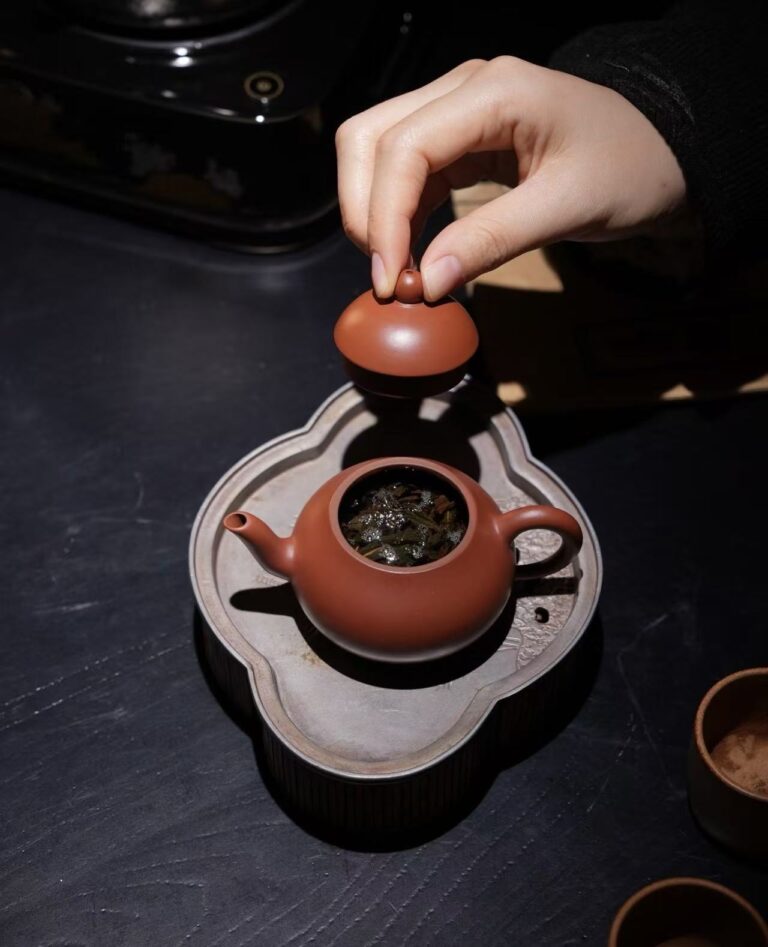
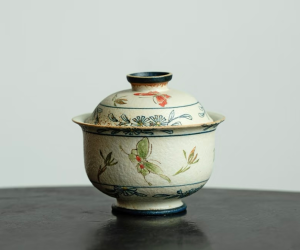
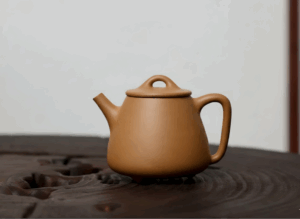
A traditional gaiwan allows precise control over steeping time, water temperature, and flavor extraction. This is particularly helpful when serving raw Pu-erh or Wuyi rock tea to multiple guests.
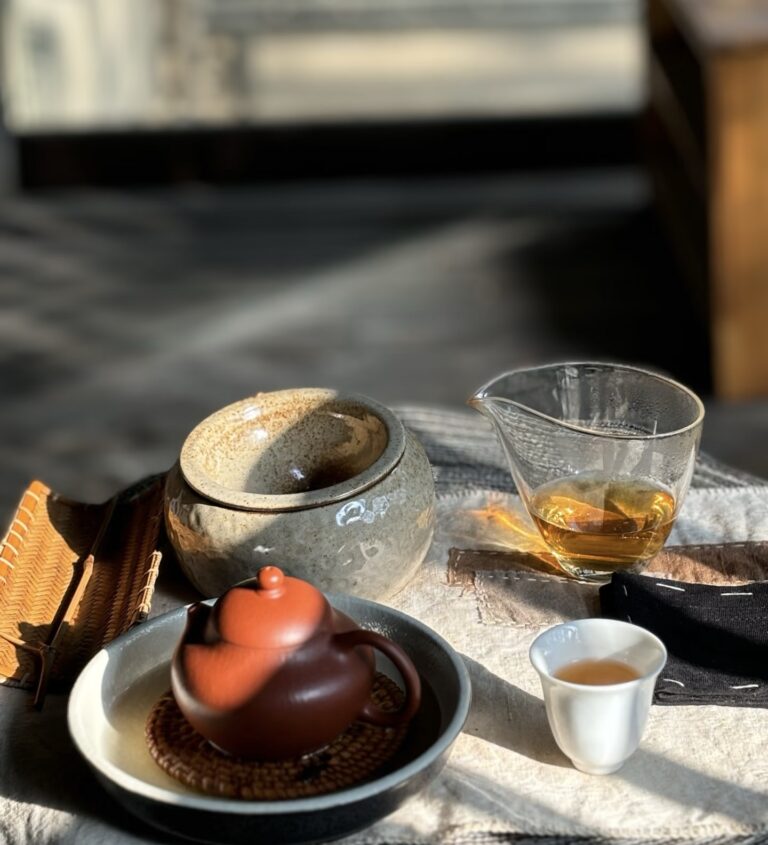
Using a handcrafted sancai gaiwan encourages slower, mindful brewing. The process of lifting the lid, pouring into small cups, and sharing multiple infusions reflects the rhythm of the Lunar New Year itself — deliberate, communal, and respectful.
Small cups and short infusions also prevent the tea from becoming overly strong during extended conversations.
Quick Tea Pairing Summary for Chinese New Year 2026
For easy reference:
- Raw Pu-erh tea balances sweet and fried Cantonese New Year snacks.
- Wuyi rock tea complements roasted, sesame-based, and rich dishes.
- Brewing with a gaiwan enhances flavor control and traditional presentation.
Choosing the right tea transforms festive abundance into a balanced experience.
Balancing Abundance with Harmony
Chinese New Year celebrates prosperity and fullness — of food, family, and fortune. Yet balance remains central to Chinese culinary philosophy.
By pairing Cantonese festive snacks with thoughtfully chosen tea, families maintain harmony between indulgence and comfort.
As you prepare for Chinese New Year 2026, consider not only the dishes on the table but also the tea in the cups. A well-selected raw Pu-erh, a warming Wuyi rock tea, and mindful brewing can elevate a simple snack table into a meaningful cultural ritual.
May the year ahead be prosperous, harmonious, and well-brewed.
FAQs
Raw Pu-erh and Wuyi rock tea are among the best options because they balance fried, sweet, and rich Cantonese New Year dishes without overwhelming them.
Traditional Chinese teas such as Pu-erh and roasted oolong are commonly consumed after large meals to refresh the palate and promote digestive comfort.
Tea represents hospitality, respect, and harmony. Serving tea during New Year gatherings creates a calm rhythm between meals and strengthens social connections.