As the founder of Fong’s Tea, I’ve spent years sourcing, tasting, and drinking pu-erh both in Yunnan and here in the U.S. I’ll be honest—my very first encounter with a ripe pu-erh wasn’t love at first sip. It had a strong earthy aroma with a hint of something fishy, and my immediate reaction was, “This can’t be right.” I nearly gave up on the whole category that day.
Like many American tea drinkers, I was used to straightforward black tea or coffee—nothing that smelled like wet forest floor or aged wood. But after learning a few key things about quality, brewing, and what those flavors actually mean, pu-erh quietly became my daily go-to: steady morning energy without the coffee jitters, comfortable digestion after meals, and a calming evening ritual.
If you’ve tried pu-erh and found it strange, overpowering, or even upsetting to your stomach—you’re not alone. Thousands of beginners hit the exact same walls every year. This guide is everything I wish someone had handed me back then: a straightforward, no-ritual-required path to enjoying pu-erh in a way that actually fits busy American life. No fancy teaware, no steep learning curve—just practical steps and honest answers so you can decide for yourself whether pu-erh deserves a spot in your routine.
Ready to give it a fair second chance? Let’s start with the basics.

Pu-erh Basics: What It Is, How It’s Different, and Why It’s Gaining Fans in the U.S.
Pu-erh (pronounced roughly “poo-air”) is the only tea that’s intentionally aged and fermented after production, which gives it its unique depth and character. Unlike green, black, or oolong teas that are fixed soon after picking, pu-erh leaves go through a microbial fermentation process—either naturally over years (raw/sheng pu-erh) or accelerated in controlled piles (ripe/shou pu-erh).
Here’s the simplest way to think about the two main types:
- Raw (Sheng) Pu-erh: Fresh when young, often bright, grassy, and a little astringent—like a bolder, more complex green tea. With age, it mellows into something remarkably smooth, sweet, and layered. As someone who sources directly from Yunnan, I’ve watched young raw cakes transform over a decade into teas with notes of honey, stone fruit, and old books.
- Ripe (Shou) Pu-erh: Created in the 1970s to speed up aging, ripe pu-erh is darker, smoother from the start, and often carries rich woody, chocolatey, or creamy notes. When well-made, it feels comforting and gentle on the stomach—exactly why many of my American customers start here.

So why are more Americans trying pu-erh these days? A few practical reasons stand out:
- Steady, long-lasting energy without the sharp spike and crash of coffee (the caffeine releases more slowly alongside compounds like theanine).
- Many people report it’s easier on digestion than coffee or strong black tea—great after meals or for those with sensitive stomachs.
- It’s naturally low in calories and fits cleanly into wellness routines, whether you’re cutting caffeine jitters or just looking for a flavorful daily ritual.
I switched my own morning coffee to pu-erh years ago, and the difference in sustained focus and lack of afternoon slump was noticeable within a week. You don’t have to take my word for it—try it for a few days and see how it feels in your routine.
Related Guides:
- Exploring Raw and Ripe Pu-erh Tea: A Comparative Guide
- Your First Pu-erh Tea: Choosing Between Sheng and Shou
- Raw Pu-erh Tea: A Beginner’s Guide
- Understanding Ripe Pu-erh Tea: A Beginner’s Guide
Ready to go deeper? Let’s tackle the biggest reason most beginners hesitate.
The Biggest Beginner Hurdle: Why Your Pu-erh Might Taste Fishy, Earthy, or Even Moldy (And How to Avoid It)
If there’s one thing that stops most American beginners from ever trying pu-erh again, it’s the flavor—or more accurately, an unexpected off-note in their first cup.
I hear it all the time from customers: “It smelled like fish,” “It tasted like wet dirt,” or “I thought it had gone moldy.” I completely understand, because I’ve been there myself. When I first started importing ripe pu-erh years ago, some early samples had exactly those notes, and I almost wrote off an entire category of tea.
The truth is, those flavors aren’t always a sign the tea is bad. But they’re also not something you should have to “get used to.” Let’s break down what’s really going on.
The most common culprit: “fishy” or “sour” notes in ripe pu-erh
These usually come from the wet-pile fermentation (wo dui) process used to make ripe pu-erh. When done poorly or rushed—often with low-grade leaf or overly humid conditions—the tea can retain a lingering fishy, pond-like, or sour aroma. Cheap mini tuocha bowls and many supermarket or Amazon bulk options fall into this category. The smell can be strong enough that new drinkers assume the tea is spoiled.
Good news: a well-made ripe pu-erh should never smell or taste fishy. Clean fermentation produces notes of dark chocolate, old wood, dried fruit, or even vanilla—rich and inviting, not off-putting.

Earthy, woody, or “barnyard” notes
These are normal and even desirable in many pu-erhs, especially ripe and aged raw. Think of them like the aroma of a forest after rain or a well-kept stable—deep and natural. The problem comes when they’re overly damp or musty, which again points to poor processing or storage.
Mold concerns
A common fear is that strong earthiness means harmful mold. In properly made and stored pu-erh, the fermentation is controlled and safe. What looks like “mold” on some cakes is usually just harmless yeast or natural blooming from aging. At Fong’s Tea, every batch we source is tested and stored to avoid any damp, musty character.
How to get a clean, enjoyable flavor from day one
- Start with quality leaf from a trusted source. Clean fermentation is everything—avoid the cheapest options online.
- Give young ripe pu-erh a quick rinse (more on that in the brewing section). This washes away any residual dust or fermentation aroma.
- Age helps: even a few extra years can smooth out stronger notes. Many of our ripe cakes are aged 3–5 years before sale specifically to eliminate any roughness.
My personal turning point was trying a cleanly fermented ripe pu-erh from a small Menghai producer. The difference was night and day—no fishiness, just smooth, sweet depth. That’s the standard I now hold every Fong’s Tea ripe pu-erh to.
Related Taste Guides:
- Exploring the Complex Taste Profiles of Aged Raw Pu-erh
- How Time Enhances Taste and Quality in Pu-erh
- Understanding Aftertaste and Sweetness in Pu-erh
Bottom line: if your pu-erh tastes actively unpleasant, it’s almost certainly the production quality, not the category itself. You shouldn’t have to acquire a taste for off-flavors—good pu-erh should be approachable and enjoyable from the start.
Once you clear this hurdle, everything else becomes much easier. Next, let’s look at the simplest way to brew it at home without any special equipment.
Brewing Pu-erh the Easy American Way: 5 Minutes, No Special Tools Required
Once you’ve got a clean, quality pu-erh in hand, the next question is almost always: “How do I actually brew this without turning it into bitter mud or weak dishwater?”
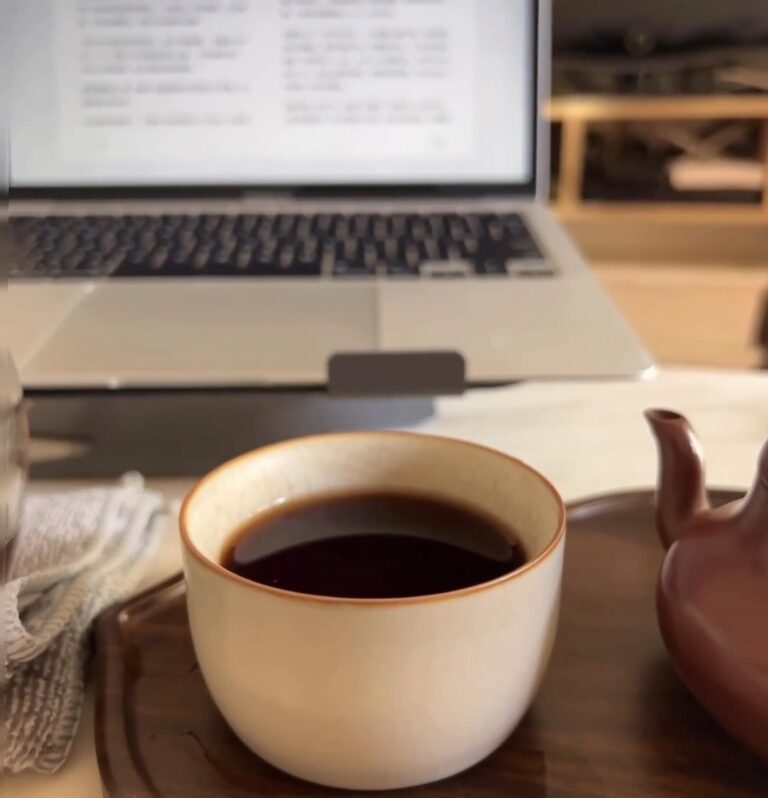
The good news is you don’t need a gaiwan, a yixing pot, or any gongfu setup. Most traditional Chinese brewing methods are beautiful, but they’re not necessary for great-tasting pu-erh in everyday life. I brew 90% of my pu-erh at home or in the office using nothing more than a mug or a French press.
Here are three dead-simple methods that work perfectly for American kitchens and busy schedules. Pick one and you’ll be drinking enjoyable pu-erh in under five minutes.

Method 1: The Mug Method (My Daily Go-To)
Perfect for loose-leaf or broken cake pieces.
- Put about 5–7 grams of pu-erh in a large mug (roughly a heaping tablespoon).
- Rinse: Pour near-boiling water (200–212°F) over the leaves, let sit 5–10 seconds, then pour it out. This removes dust and any lingering fermentation aroma—especially helpful for ripe pu-erh.
- Steep: Refill with hot water and let sit 2–4 minutes (ripe usually needs less time than raw).
- Drink straight from the mug, leaves and all, adding hot water as you go (Grandpa style), or strain if you prefer.
A few of our ripe pu-erh selections are especially forgiving and rewarding with this mug method—they stay smooth across multiple steeps, don’t get bitter, and release flavor steadily without needing precise timing.
Here are three I personally reach for when brewing Grandpa-style in a mug:
- Premium 2025 Fu Jin 10-Year Aged Pu-erh Tea 200g → After a decade of clean aging, it delivers a rich, mellow taste with woody notes and a silky texture—perfect for refilling all morning.
- 2016 Wujin “Old Tea Heads” Lao Cha Tou Ripe Pu-erh Tea 250g → These natural tea nuggets unfurl slowly for layered, full-bodied sweetness over many infusions. They’re literally made for Grandpa-style brewing (I’ve written more about why lao cha tou is ideal for this here).
- Fu Jin One-Piece Ripe Pu-erh Tea Gift Box → Convenient 6g single-serving pieces that drop right into your mug—no weighing or breaking cakes needed. Great for consistent, smooth cups every time.
All three are cleanly fermented with no off notes, making them ideal for beginners who want reliable, comforting flavor right away.
Method 2: French Press or Teapot
Great if you want a cleaner cup without leaves floating.
- Same rinse step as above (do it in the press, then discard the water).
- Add hot water and steep 3–5 minutes.
- Press or pour. You can usually get 3–4 infusions from the same leaves.
Method 3: Tea Bag / Disposable Filter
For maximum convenience or travel.
Use a fill-your-own disposable tea filter or a large T-sac. Same ratio and rinse (just shake the bag in hot water and discard). Steep 3–5 minutes.
Quick Tips to Avoid Common Problems
| Issue | Cause | Fix |
|---|---|---|
| Bitter/Astringent | Young raw or over-steeping | Lower temp to 190°F, shorter steep |
| Thick/Heavy | Ripe over-brewed | Taste at 2 min, adjust |
| Weak/Flavorless | Too little tea | Use 1g per 30-40ml water |
- Water temperature: Boiling is fine for ripe and most aged raw.
- Re-steeping: Good pu-erh easily gives 5–10 infusions.
Related Brewing Guides:
I’ve served pu-erh brewed this way to plenty of skeptical American friends, and most are surprised how smooth and approachable it is—no bitterness, no fishiness, just rich, comforting flavor.
With these methods, brewing becomes as effortless as making coffee. Next, let’s see how pu-erh can actually fit into your day-to-day routine.
Making Pu-erh Part of Your Daily Life: Simple Ways It Fits into Busy American Routines
Now that you know how to pick a clean pu-erh and brew it effortlessly, the real magic happens when it becomes a natural part of your day. I’m not talking about elaborate tea ceremonies—just small, practical moments where pu-erh quietly makes things better.

Here are the ways I (and many of our customers) actually drink it every day:
Morning Energy Without the Crash
I swapped my second (or third) cup of coffee for pu-erh years ago. The caffeine releases more gradually, thanks to compounds like theanine, so I get steady focus that lasts until lunch—no jitters and no 3 p.m. slump.
Post-Meal Comfort and Digestion
Ripe pu-erh in particular seems to settle the stomach for a lot of people. I usually have a small cup after lunch or dinner—nothing formal, just something warm and soothing.
Afternoon Reset
A quick re-steep of the morning leaves gives a mild lift that doesn’t interfere with sleep later.
Evening Wind-Down
A lighter ripe or aged raw feels calming, with deep woody notes replacing wine or herbal tisanes on many nights.
The beauty is how little effort it takes. Once the leaves are in your mug or thermos, you just keep topping up.
If you’re wondering how raw versus ripe pu-erh might specifically support your wellness goals—like a metabolism boost in the morning or better digestion in the evening—I’ve put together a more detailed guide with a quick decision quiz and routine ideas here: Raw vs Ripe Pu-erh Tea: Which is Best for Your 2025 Wellness Routine?
You don’t have to overhaul your routine to enjoy pu-erh. Start with one moment—maybe replacing your afternoon coffee—and see how it feels after a week.
Next, a few straightforward tips on storing pu-erh at home so it stays fresh (or even improves) in typical American conditions.
Storing Pu-erh at Home and Buying Tips for Americans: Keep It Simple and Fresh
One of the best things about pu-erh is that it doesn’t spoil like green tea—it can actually improve with time. But in typical American homes (dry air, central heating), a few basic guidelines go a long way.

Simple Storage Rules I Follow
- Breathable container: cardboard box, paper bag, or unglazed ceramic jar.
- Room temperature, away from sunlight and odors.
- In dry climates, a cupboard helps retain slight moisture.
Buying Tips
Avoid cheapest options—look for clean fermentation and trusted sourcing. At Fong’s Tea, we prioritize beginner-friendly, no-off-note pu-erh.
Related Guides:
Final Thoughts
Pu-erh doesn’t have to be mysterious or complicated. With clean quality and simple brewing, it becomes an easy daily upgrade.
Ready to try? Start with these beginner-friendly options:
- Premium 2025 Fu Jin 10-Year Aged Ripe Pu-erh
- Old Tea Heads (Lao Cha Tou)
- One-Piece Ripe Pu-erh Gift Box
Explore more at Fong’s Tea Pu-erh Collection.
Thanks for reading—enjoy your next cup!
Frequently Asked Questions About Pu-erh Tea for Beginners
No need to worry—controlled fermentation gives pu-erh its signature earthy notes, and any visible “mold” is usually harmless yeast. However, a strong fishy or sour smell often means poor quality fermentation. At Fong’s Tea, we only source cleanly fermented pu-erh with no off-notes.
Young raw pu-erh or low-quality ripe can be hard on sensitive stomachs when drunk empty. Start with ripe pu-erh after meals, and most people find it gentle and supportive of digestion.
Yes, similar levels to black tea (30–70mg per cup depending on type and brew). The difference is slower release with theanine, giving steady energy without jitters.
Black tea is fully oxidized but not fermented further. Pu-erh undergoes microbial fermentation (natural or accelerated), creating deeper, smoother flavors that evolve over time.
Absolutely—that’s my daily method. Just rinse the leaves quickly and steep 2–4 minutes. No special tools needed.
Some studies show potential benefits for metabolism and cholesterol due to polyphenols and microbial compounds, but it’s not a magic solution. Many of our customers enjoy it as part of a balanced routine.
Unlike most teas, pu-erh improves with age if stored properly (cool, dry, breathable). Raw pu-erh can age decades; ripe is best within 10–15 years.
Choose vendors specializing in pu-erh with transparent sourcing. We recommend starting with our clean, beginner-friendly ripe selections here.