How to Brew Ripe Pu Erh for Beginners
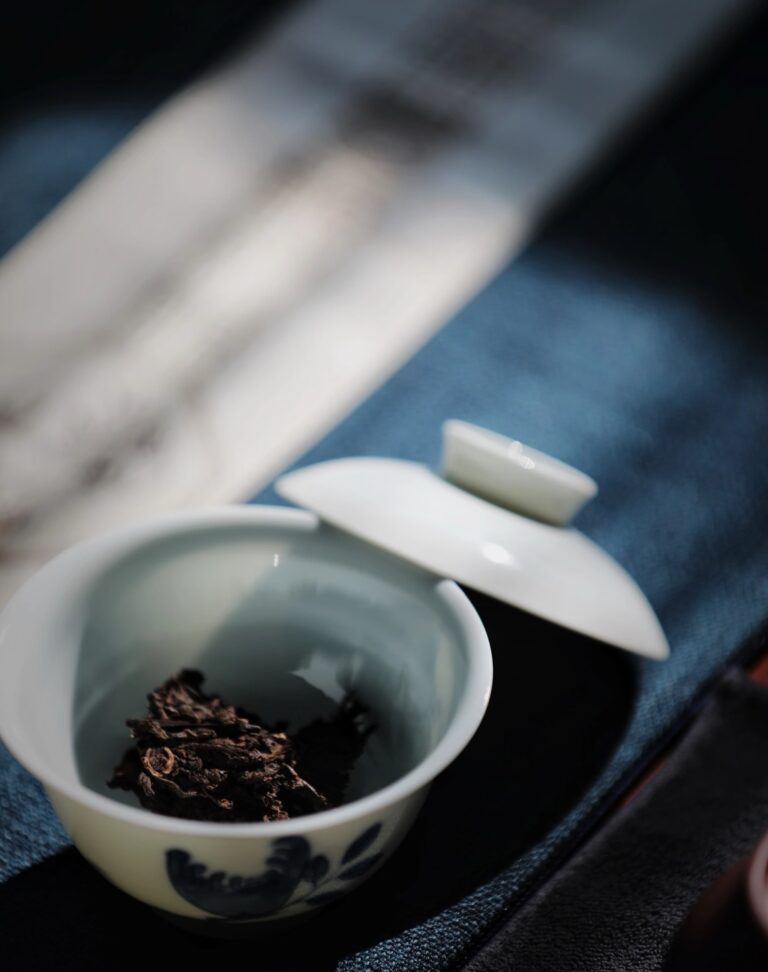
Ripe pu erh is one of the most forgiving Chinese teas to brew once you understand the basic rhythm. Use hot water, do not be afraid of short steeps, and adjust by taste instead of trying to memorize one perfect…
Explore Chinese tea guides, brewing tips, teaware advice, and tea stories from FONG’S TEA. Start with beginner-friendly articles, learn about Pu Erh and Oolong tea, compare Chinese teaware, and find practical guides that help you choose, brew, and enjoy tea with more confidence.
Ripe pu erh is one of the most forgiving Chinese teas to brew once you understand the basic rhythm. Use hot water, do not be afraid of short steeps, and adjust by taste instead of trying to memorize one perfect…
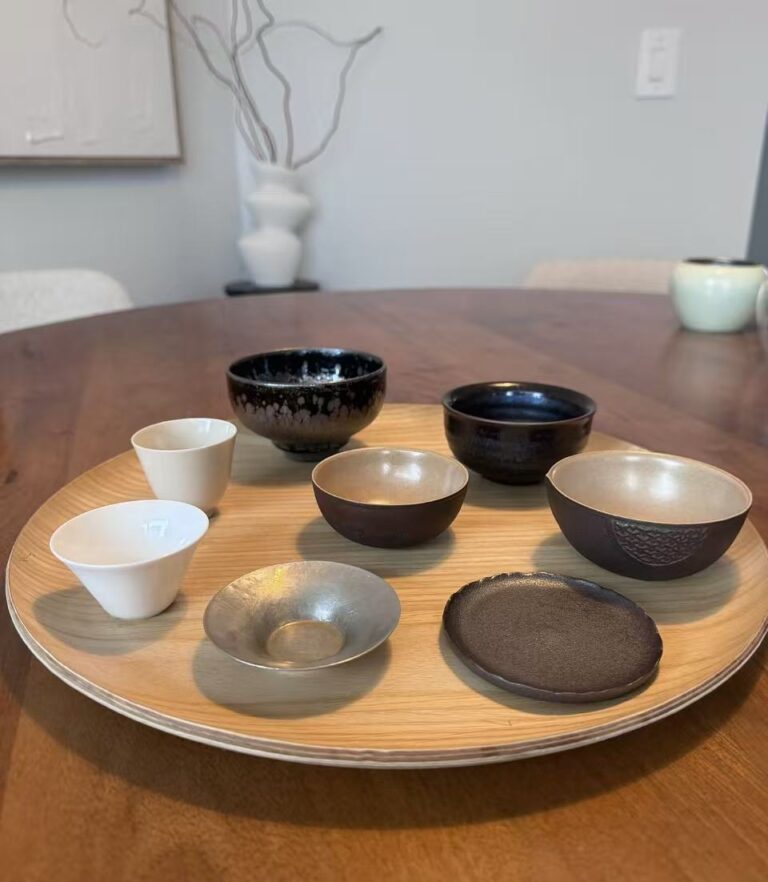
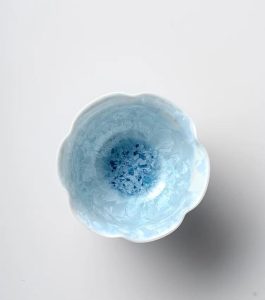
Choosing Chinese tea cups is easier when you begin with how you actually drink tea. For gongfu tea, smaller cups usually make more sense because the tea is brewed in short infusions and poured several times. For daily casual tea,…
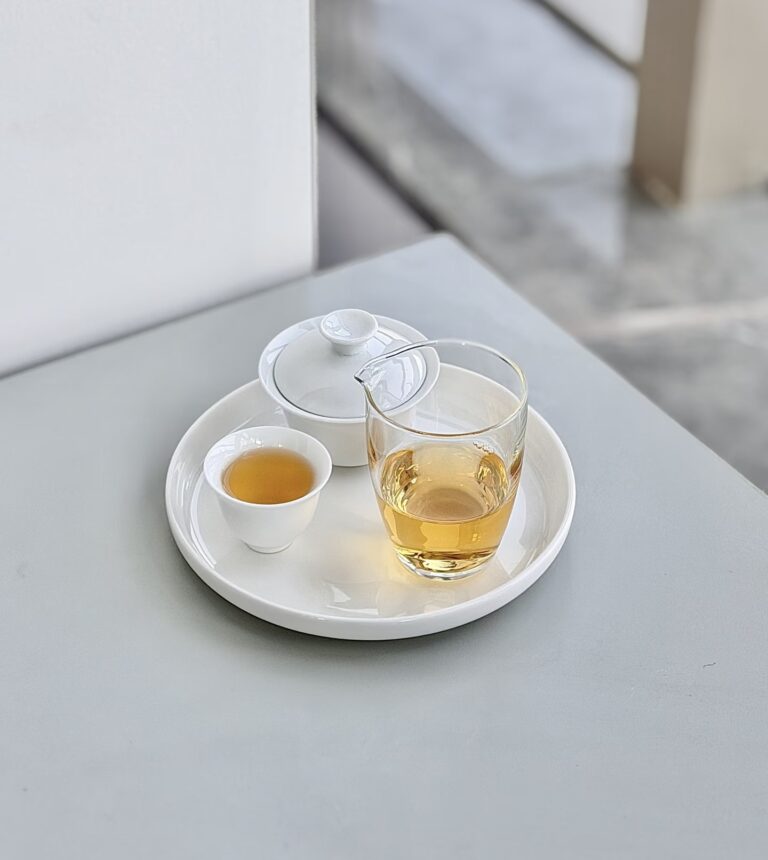
A minimal gongfu tea setup does not need to be complicated. For most beginners, the best starting point is a gaiwan or small teapot, a few small Chinese tea cups, a fairness pitcher, and one loose leaf tea you genuinely…
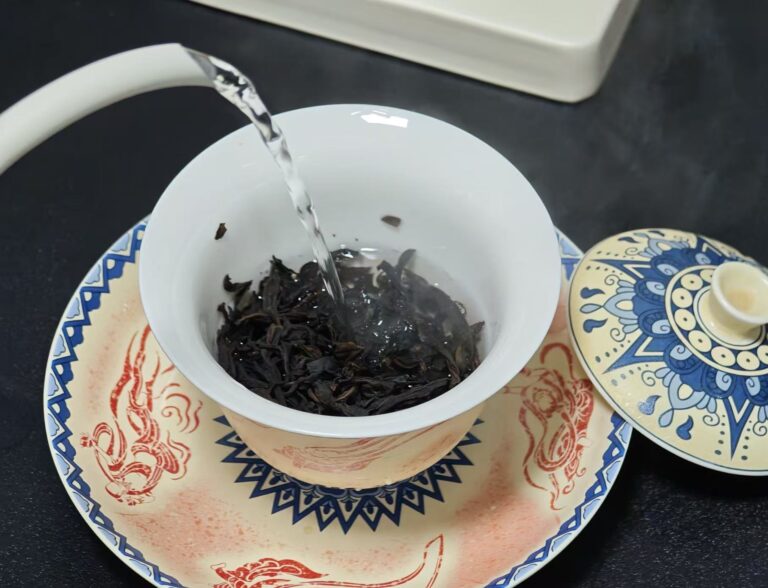
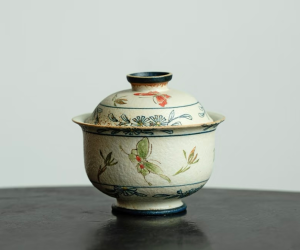
For most beginners, the best gaiwan is usually a porcelain gaiwan around 120-150ml. It is easier to hold, easier to control, works with many tea styles, and helps you learn gongfu brewing without adding extra complexity. If you are searching…
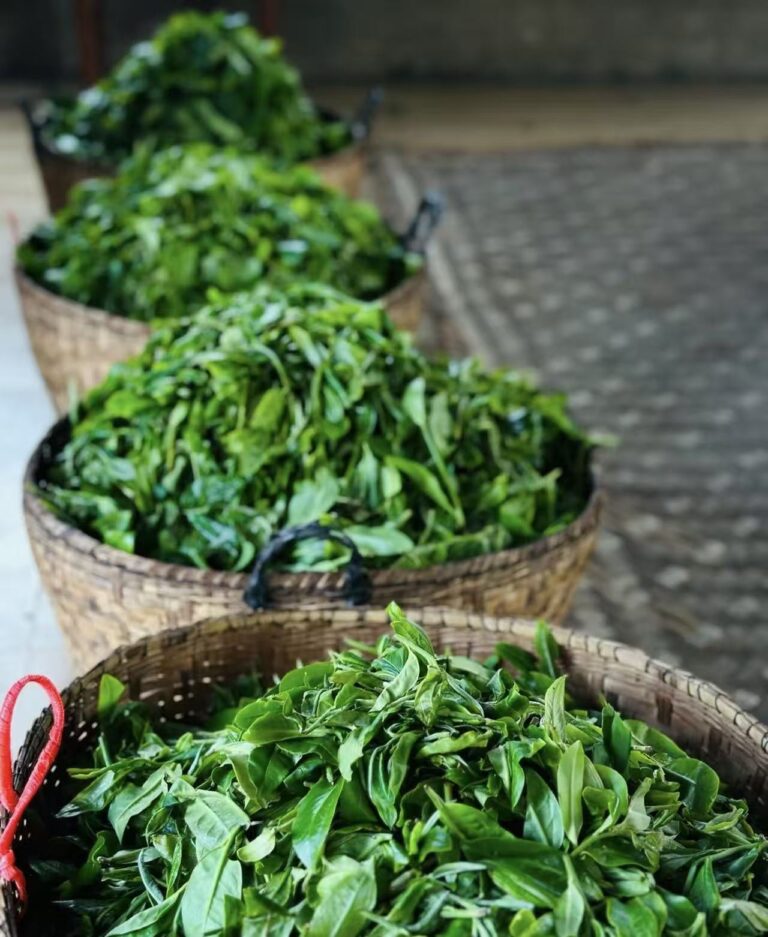
If your pu-erh arrives and tastes flat, smells like the box, or feels oddly “watery,” you are not alone. The short answer is: sometimes you should rest it, and sometimes you should drink it right away. The best approach depends…
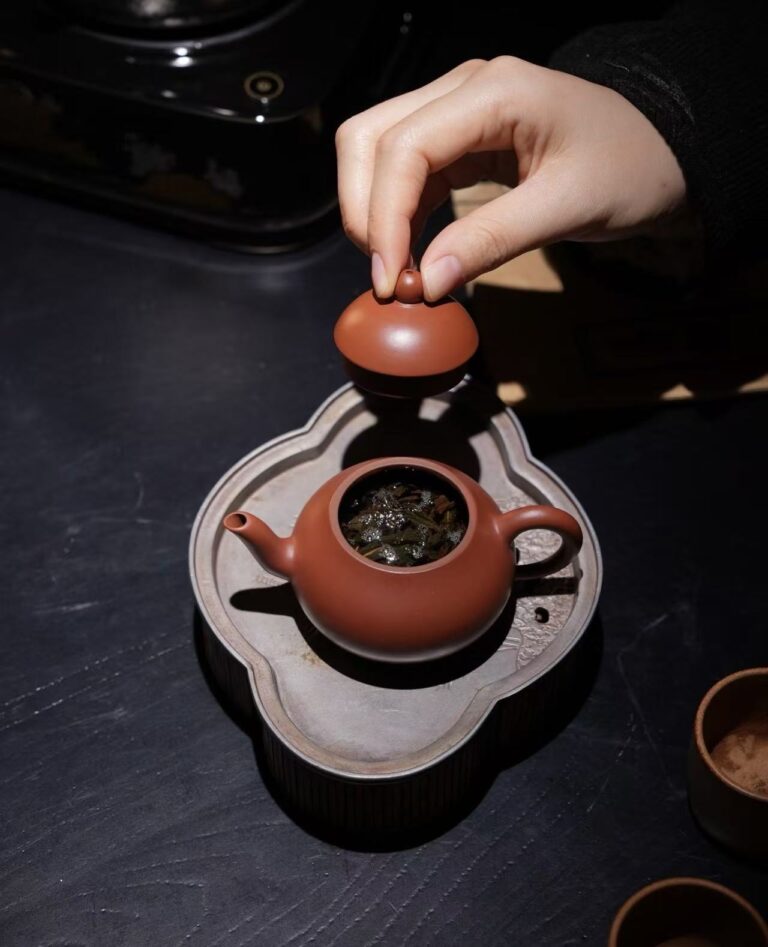
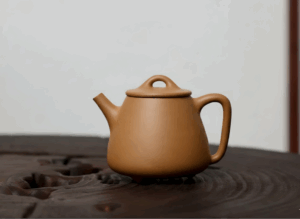
Intro — Quick answer (featured snippet target)Short answer: Yixing teapots excel with teas that benefit from a little smoothing and extra body — notably many oolongs, pu-erh (especially ripe/aged), and robust black teas. They are typically not ideal for delicate…
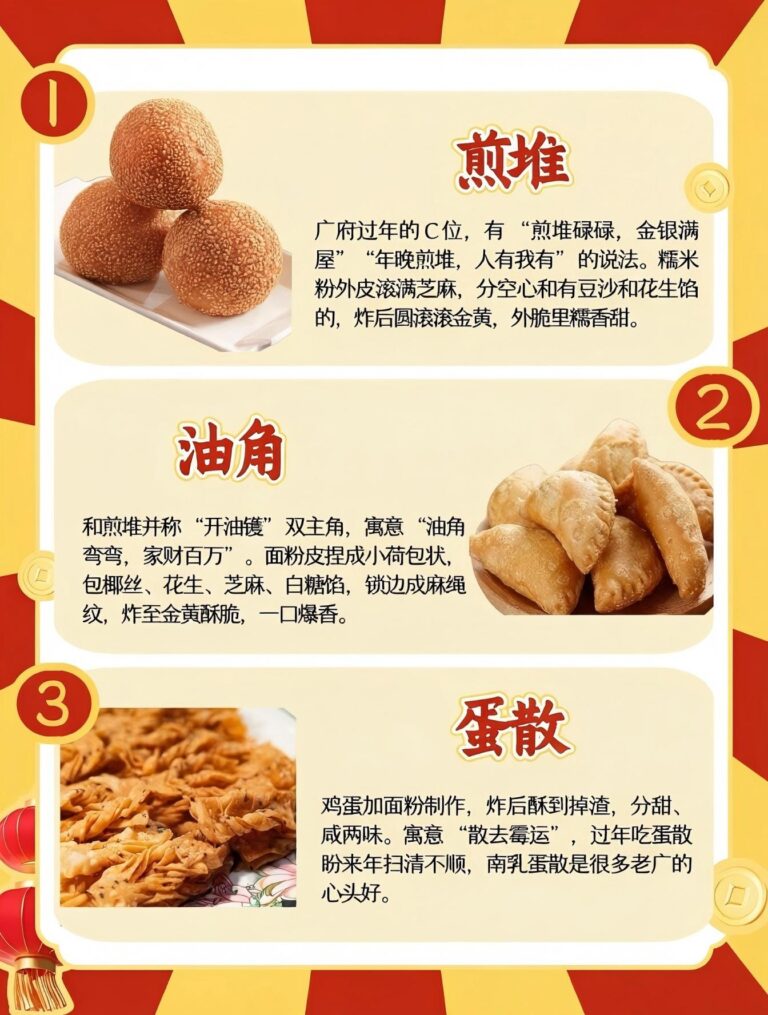
Chinese New Year 2026 marks the beginning of a new lunar cycle and is one of the most important traditional celebrations in Chinese culture. In Southern China, especially in Cantonese households, the Lunar New Year is defined by reunion dinners,…
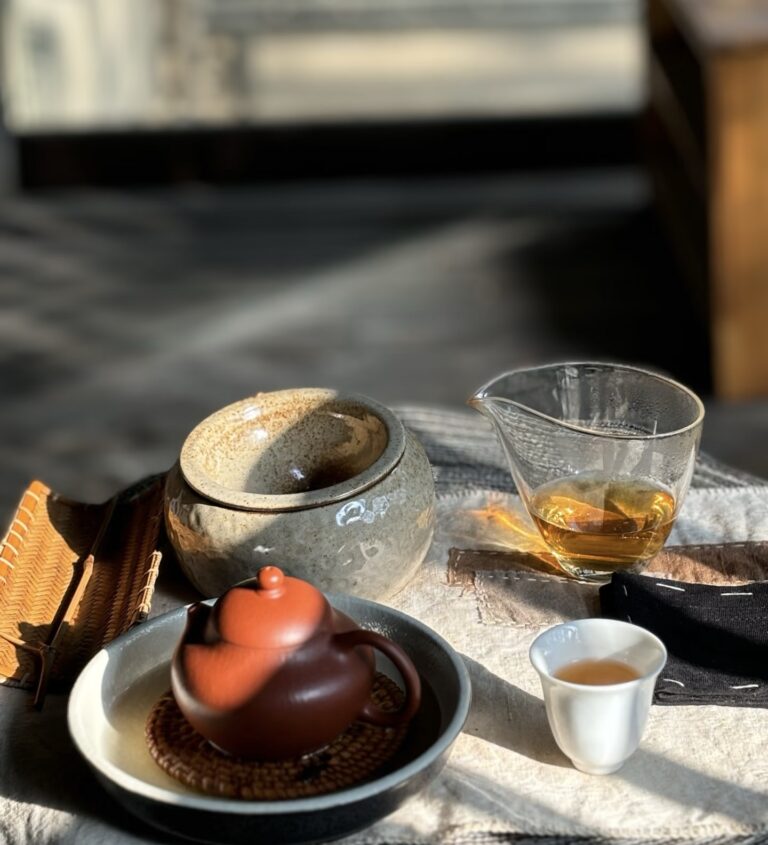
This article is Part 5 of our Coffee to Pu-erh Transition Series. If you’re new, start with Part 1: Why Coffee Drinkers Are Switching to Pu-erh, follow Part 2: The 7-Day Coffee to Pu-erh Plan, learn Part 3: Simple Daily…
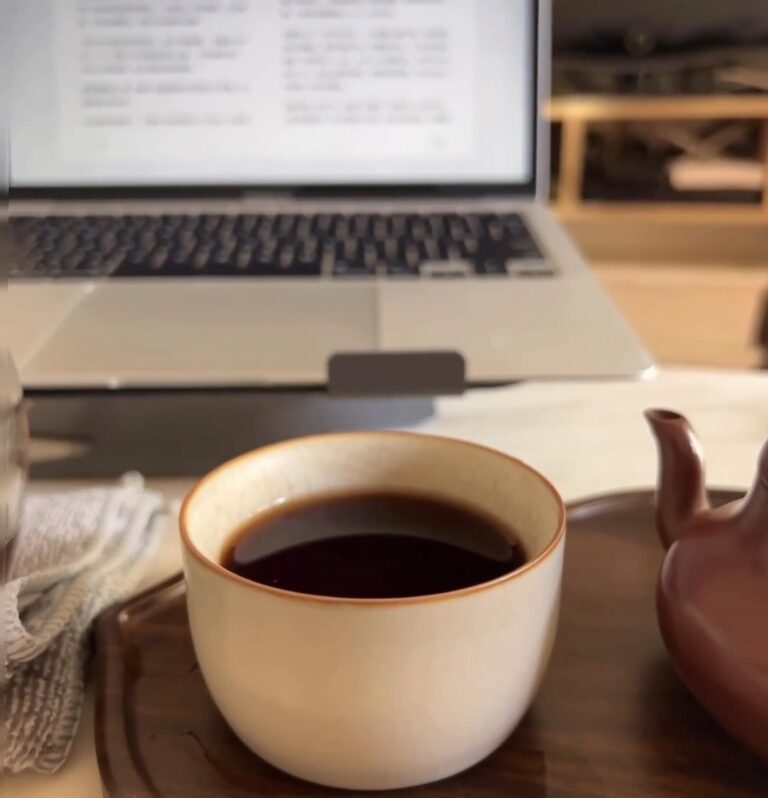
This article is Part 4 of our Coffee-to-Pu-erh Transition Series. If you’re new, start with Part 1: Why Coffee Drinkers Are Switching to Pu-erh, or follow Part 2: The 7-Day Coffee to Pu-erh Plan and Part 3: Simple Daily Pu-erh…
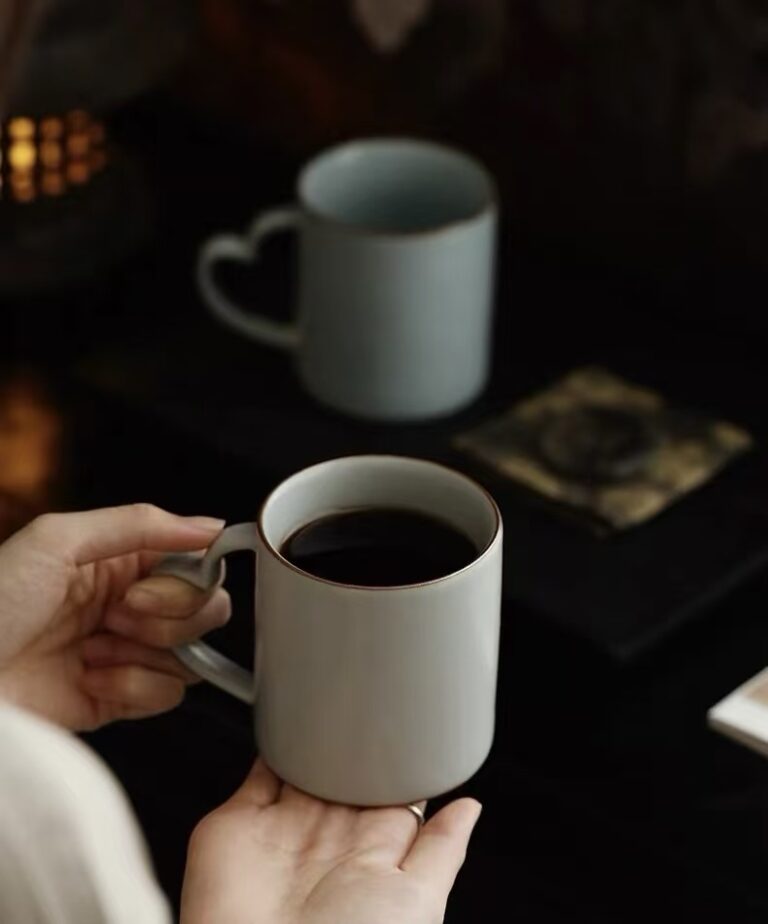
This article is Part 3 of our Coffee-to-Pu-erh Transition Series. If you’re new, start with Part 1: Why Coffee Drinkers Are Switching to Pu-erh, or follow Part 2: The 7-Day Coffee to Pu-erh Transition Plan. One of the biggest reasons…